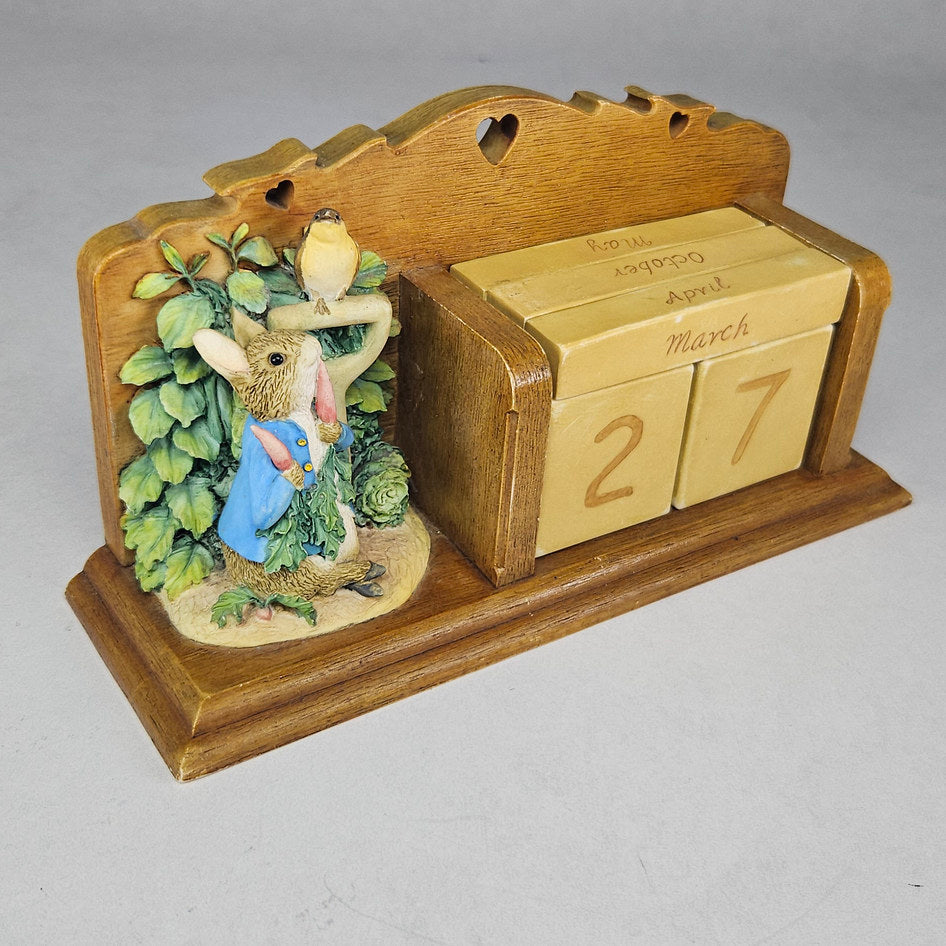
Beatrix Potter collectibles occupy a distinctive corner of the ceramics and figurine market. Rooted in the illustrated children's books that Potter published from 1902 onward, the collecting category spans Royal Albert bone china, Beswick figurines, Enesco pieces, and a wide range of licensed ceramics produced across more than a century. For collectors, the appeal lies in the combination of nostalgic familiarity, documented maker history, and the sheer variety of forms and characters available.
The Origins of Beatrix Potter Collectibles
Beatrix Potter's illustrated books, beginning with The Tale of Peter Rabbit in 1902, created a cast of characters that proved immediately popular and enduringly so. The commercial licensing of Potter's characters began during her own lifetime, and ceramic figurines were among the earliest licensed products. The Beswick pottery in Staffordshire began producing Beatrix Potter figurines in 1948, under licence from Frederick Warne and Company, Potter's publisher. These early Beswick figures, produced in earthenware with hand-painted decoration, established the template for the collecting category that followed.
Royal Albert, part of the Royal Doulton group, later took over the production of Beatrix Potter figurines, continuing the Beswick moulds and adding bone china pieces to the range. The transition from Beswick to Royal Albert production is an important distinction for collectors, as the two series have different backstamps, materials, and collector values.
Beswick Beatrix Potter Figurines
Beswick produced Beatrix Potter figurines from 1948 until the brand transitioned to Royal Albert in 1989. The early Beswick pieces are the most sought-after by serious collectors, particularly those with the gold oval backstamp used from 1948 to 1954. Later Beswick pieces used different backstamp styles, and the progression of marks is well documented in collector references. Characters produced by Beswick include Peter Rabbit, Jemima Puddle-Duck, Mrs Tiggy-Winkle, Tom Kitten, Squirrel Nutkin, and many others from the Potter canon.
Royal Albert and Later Production
Royal Albert continued the Beatrix Potter figurine range from 1989, using bone china rather than earthenware and maintaining the established character roster while adding new figures. Royal Albert pieces are more commonly encountered than early Beswick examples and remain actively collected. The Royal Albert backstamp and the bone china body distinguish these pieces from the earlier Beswick earthenware production.
Enesco and Licensed Ceramics
Beyond Beswick and Royal Albert, a number of other manufacturers produced licensed Beatrix Potter ceramics. Enesco, an American giftware company, produced a range of Beatrix Potter pieces including money boxes, mugs, and decorative items. The Enesco Beatrix Potter Jemima Puddle-Duck Money Box is a characteristic example of this licensed production, featuring the familiar Jemima Puddle-Duck character in a practical and decorative form. Enesco pieces are collectable in their own right, particularly for collectors who focus on a specific character across multiple makers and forms.
Plates, Mugs, and Decorative Ceramics
Beyond figurines, the Beatrix Potter licensing programme extended to plates, mugs, money boxes, egg cups, and a wide range of decorative ceramics. Royal Albert produced a series of collector plates featuring Potter's original illustrations, which are actively collected alongside the figurines. These flat wares are often more accessible in price than the figurines and allow collectors to build a varied display around a favourite character or scene.
What to Look For When Collecting
The backstamp is the most important starting point for any Beatrix Potter piece. The progression from early Beswick gold oval marks through later Beswick styles to Royal Albert and beyond is well documented, and the backstamp determines both the period of production and the collector value. Key points to assess include the clarity and condition of the backstamp, the quality of the hand-painted decoration, the condition of the piece, and whether the character is correctly identified on the base.
For figurines, examine the painting carefully. Early Beswick pieces were hand-painted with considerable care, and the quality of the decoration is a significant factor in collector value. Later production pieces may show more mechanical decoration. Condition is critical: chips to ears, tails, and fine detail are common and significantly affect value.
Collecting Beatrix Potter in South Africa
Beatrix Potter ceramics reached South Africa through British household imports and the general trade in English giftware. Beswick and Royal Albert pieces turn up regularly at South African estate sales and antique dealers, reflecting the strong British cultural influence on South African domestic life through the mid-twentieth century. Early Beswick pieces in good condition are less commonly encountered and attract stronger collector interest when they do appear.
Browse the Collectibles collection at Collectibles by Deon for currently available Beatrix Potter and related figurine pieces, or explore the Figurines collection for the broader range of collectable figures. See what has recently come in via the latest additions, or contact us with any enquiries. Learn more about the store and how each piece is sourced.
Building a Character Collection
Some collectors focus on one character, while others collect a single maker or production period. A character-led group can include a Beswick figurine, a Royal Albert plate, and a later licensed ceramic, allowing the collector to compare materials and interpretations. A maker-led group, by contrast, makes backstamps and changes in production the central subject.
Whichever approach is chosen, the most useful records are the character name, maker, backstamp, material, approximate period, condition, and source. These details make it easier to avoid duplicates and identify gaps in a collection. They also preserve the provenance of pieces that may remain in the family for many years.