
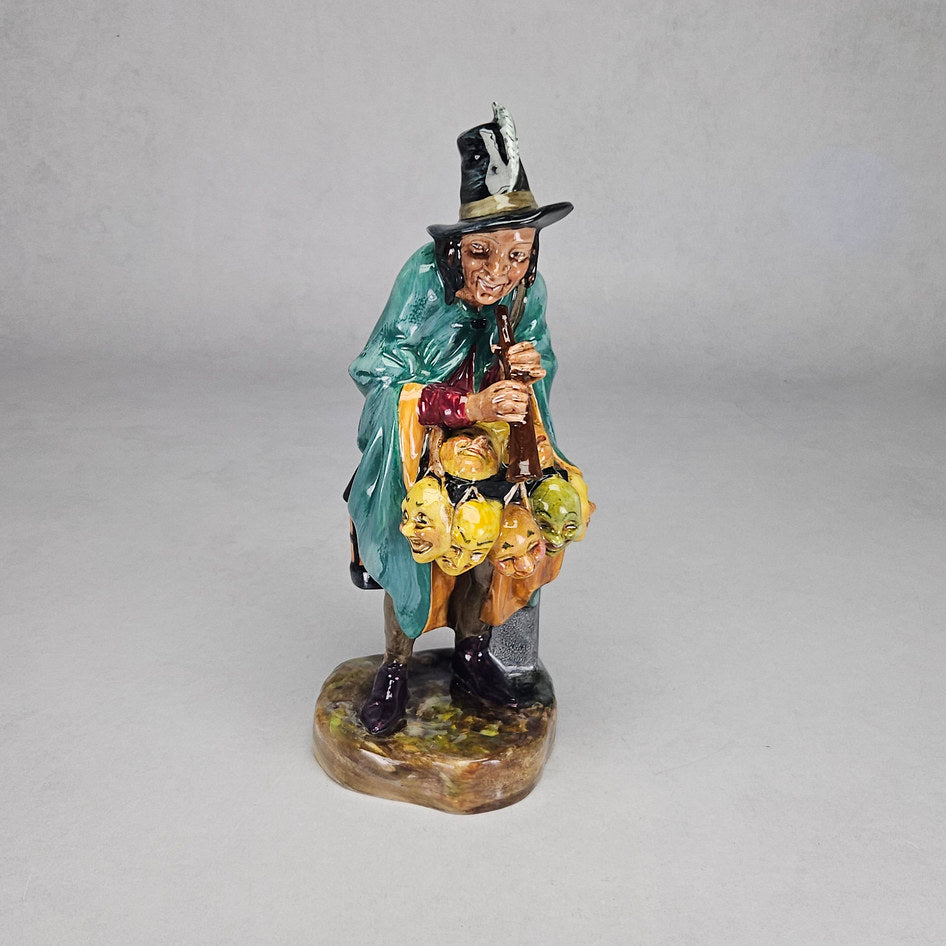
A figurine collection deserves to be seen. These are pieces made to be displayed, with detail and colour that reward close attention, and the way you present them makes a significant difference to how much pleasure they give you and how well they show to visitors. Whether you collect Royal Doulton lady figurines, Beswick animal studies, Beatrix Potter characters, or a mix of makers and subjects, the principles of good display are the same.
This guide covers the practical decisions: where to display, how to group, how to light, and how to protect your pieces.
The First Decision: Cabinet or Open Shelf?
The most important display decision for any figurine collector is whether to use a glass-fronted cabinet or open shelving. Both have genuine advantages, and the right choice depends on your home, your collection, and your priorities.
Glass-Fronted Cabinets
A glass-fronted cabinet is the preferred display option for most serious figurine collectors, for several practical reasons:
- Dust protection: figurines with fine detail, textured surfaces, and applied decoration accumulate dust quickly on open shelves. A cabinet dramatically reduces cleaning frequency and the risk of damage from dusting.
- Security: a cabinet with a lock protects valuable pieces from accidental knocks, curious children, and opportunistic theft.
- UV protection: glass-fronted cabinets, particularly those with UV-filtering glass, protect pieces from the fading effects of direct sunlight on gilding and enamel colours.
- Display quality: a well-lit cabinet creates a focused, gallery-like display that shows pieces at their best.
The main disadvantage of a cabinet is that pieces are less accessible for handling and closer examination. If you enjoy picking up and examining your pieces regularly, a cabinet can feel restrictive.
In the South African context, a glass-fronted cabinet also provides protection from the dust that is a feature of many South African environments, particularly in drier inland areas. This is a practical consideration that open-shelf collectors in the UK or Europe may not face to the same degree.
Open Shelving
Open shelving suits collectors who want their pieces to feel integrated into the living space rather than displayed as a formal collection. It works best for larger pieces that are less vulnerable to dust accumulation, and for collectors who are comfortable with more frequent dusting. The visual effect of open shelving is more relaxed and domestic than a cabinet display, which suits certain interior styles well.
If you use open shelving, choose shelves with a lip or edge to prevent pieces from being knocked off, and avoid positioning shelves in high-traffic areas where they could be brushed against.
Shelving Height and Depth
Figurines are designed to be viewed at or slightly below eye level, where the detail of the face, hands, and decoration can be appreciated. Shelves positioned too high result in pieces being viewed from below, which flattens the detail and makes the base more prominent than the decoration. Shelves positioned too low require bending to view pieces properly.
For a standing adult, the ideal display height for the main shelf is between 140 and 160 centimetres from the floor, with additional shelves above and below for secondary pieces. In a cabinet, adjustable shelves allow you to optimise the height for different sized pieces.
Shelf depth should be sufficient to allow pieces to be positioned without overhanging the edge, but not so deep that pieces at the back are difficult to see. For most figurines, a shelf depth of 20 to 25 centimetres is sufficient. Deeper shelves allow for two rows of pieces, with taller pieces at the back and smaller ones in front.
Grouping: How to Arrange Your Collection
How you group your pieces within a display has a significant effect on how the collection reads as a whole. Several approaches work well:
Group by Maker
Grouping all pieces from the same maker together creates a coherent, focused display that allows the distinctive style of each maker to be appreciated. A shelf of Royal Doulton lady figurines, arranged by HN number or by colour palette, has a very different character from a shelf of Beswick animal studies. Grouping by maker also makes it easier to identify gaps in a collection and to assess the range of a maker's output.
Group by Subject or Theme
Grouping by subject, such as all animal figurines together, all lady figurines together, or all Beatrix Potter characters together, creates a thematic display that tells a story. The Royal Doulton Brambly Hedge Lady Woodmouse and the Border Fine Arts Beatrix Potter Peter Rabbit in the Collectibles by Deon Figurines collection are examples of pieces that work well in a themed display of character figurines.
Group by Colour
Grouping by colour palette is a more design-led approach that prioritises visual coherence over maker or subject. A shelf of figurines in soft pinks, creams, and golds creates a very different effect from a shelf of figurines in bold blues and reds. This approach works particularly well in a contemporary interior where the display needs to integrate with a specific colour scheme.
The Odd-Number Principle
Within any grouping, odd numbers of pieces (three, five, seven) tend to look more natural and visually interesting than even numbers. If you have four pieces of similar size, consider displaying three together and one separately, or adding a fifth piece to the group.
Varying Height Within a Display
A flat row of figurines of identical height looks static and uninteresting. Varying the height within a grouping creates visual movement and allows each piece to be seen more clearly. Several practical ways to achieve height variation:
- Risers and stands: small wooden or acrylic risers placed under individual pieces lift them to different heights. These are available from display suppliers and can be painted or covered to match the shelf surface.
- Books and boxes: a stack of books or a small decorative box used as a plinth adds height and visual interest. This works particularly well on open shelving where the riser itself becomes part of the display.
- Mixing piece sizes: placing a taller piece (such as a vase or a larger figurine) alongside smaller pieces naturally creates height variation within a grouping.
Lighting: The Detail That Makes the Difference
Good lighting transforms a figurine display. The fine detail, gilding, and enamel colours of quality figurines are designed to be seen in good light, and a poorly lit display does not do justice to the pieces.
Natural Light
Natural light is generally the best light for figurines, but direct sunlight should be avoided. UV light fades gilding and some enamel colours over time, and direct sun can cause uneven fading that is difficult to reverse. Position displays to receive indirect natural light rather than direct sun, or use UV-filtering glass in cabinets.
Cabinet Lighting
A glass-fronted cabinet with internal lighting is the most effective display option for figurines. LED strip lights or small LED spotlights positioned at the top of each shelf compartment provide even, directed light that brings out the detail and colour of each piece. Warm white LED light (around 2700K to 3000K) suits the warm tones of bone china, gilding, and enamel colours better than cool white light, which can make pieces look flat and clinical.
Avoid halogen or incandescent lights inside cabinets, as these generate heat that can damage pieces over time and increase the risk of thermal stress in the glass.
Spotlights and Picture Lights
For open shelf displays, a small directed spotlight or a picture light positioned above the shelf provides focused illumination. Adjustable spotlights allow you to direct light precisely onto individual pieces or groupings.
Protecting Your Collection
Figurines are among the most vulnerable pieces in any collection, because their fine detail, applied decoration, and projecting elements (hands, flowers, hats) are easily damaged. A few practical protection measures:
- Non-slip shelf liners: a thin non-slip liner under each piece prevents it from sliding when the shelf is bumped or when the building vibrates (from traffic, doors closing, or similar). Museum putty (a removable adhesive) can also be used to secure pieces to shelves.
- Dust covers: for pieces on open shelves that are not displayed regularly, a soft cloth dust cover protects against dust accumulation without the risk of scratching.
- Handling protocol: always handle figurines with clean, dry hands. Pick up pieces by the base rather than by projecting elements such as arms, flowers, or hats, which are the most vulnerable points. Never pick up a figurine by its head.
- Dusting: use a soft, clean brush (a clean watercolour brush or a soft makeup brush works well) rather than a cloth or feather duster, which can catch on fine detail and cause damage. Dust in the direction of the detail rather than across it.
Displaying Specific Makers
Royal Doulton Lady Figurines
Royal Doulton lady figurines are designed to be viewed from the front and slightly below eye level, where the detail of the face and the fall of the dress can be appreciated. They work best displayed individually or in small groups of two or three, with sufficient space between pieces to allow each one to be seen clearly. The Royal Doulton Andrea HN3058, the Royal Doulton Valerie HN2107, and the Royal Doulton Priscilla M24 in the Royal Doulton collection are good examples of the scale and detail that characterise the range.
Beswick Animal Studies
Beswick animal figurines work well in naturalistic groupings that suggest a scene rather than a formal arrangement. A group of horses at different angles, or a family of dogs arranged informally, looks more alive than a rigid row. Browse the Beswick collection for available pieces.
Frequently Asked Questions
What is the best way to display Royal Doulton figurines?
Royal Doulton lady figurines display best in a glass-fronted cabinet with internal lighting, positioned at or slightly below eye level. Group pieces by colour palette or HN number series for a cohesive look. Allow sufficient space between pieces so that each one can be seen clearly without being crowded by its neighbours.
How do I prevent figurines from getting dusty?
A glass-fronted cabinet is the most effective protection against dust. For pieces on open shelves, dust regularly with a soft brush rather than a cloth or feather duster. In South African environments, particularly in drier inland areas, dust accumulation on open shelves can be significant and a cabinet is strongly recommended for valuable pieces.
Can I use museum putty to secure figurines to shelves?
Yes. Museum putty (a removable, non-damaging adhesive) is widely used by collectors and museums to secure pieces to shelves and prevent them from being knocked over. It is removable without damage to the piece or the shelf surface and is available from art supply and display suppliers.
How do I light a figurine cabinet?
LED strip lights or small LED spotlights positioned at the top of each shelf compartment provide even, directed light. Use warm white LED light (around 2700K to 3000K) rather than cool white, which can make pieces look flat. Avoid halogen or incandescent lights inside cabinets, as these generate heat that can damage pieces over time.
Should I display all my figurines at once?
Not necessarily. A smaller, well-chosen display of your best pieces is more effective than showing everything at once. Rotating pieces in and out of display keeps the collection feeling fresh and gives you the opportunity to appreciate pieces that have been in storage. It also reduces the risk of damage from handling during dusting.
Ready to add to your collection? Browse the Figurines collection, the Royal Doulton collection, and the Beswick collection at Collectibles by Deon. Check New Arrivals for recently sourced pieces, or contact us if you are looking for a specific maker or model. You can also learn more about the store.