
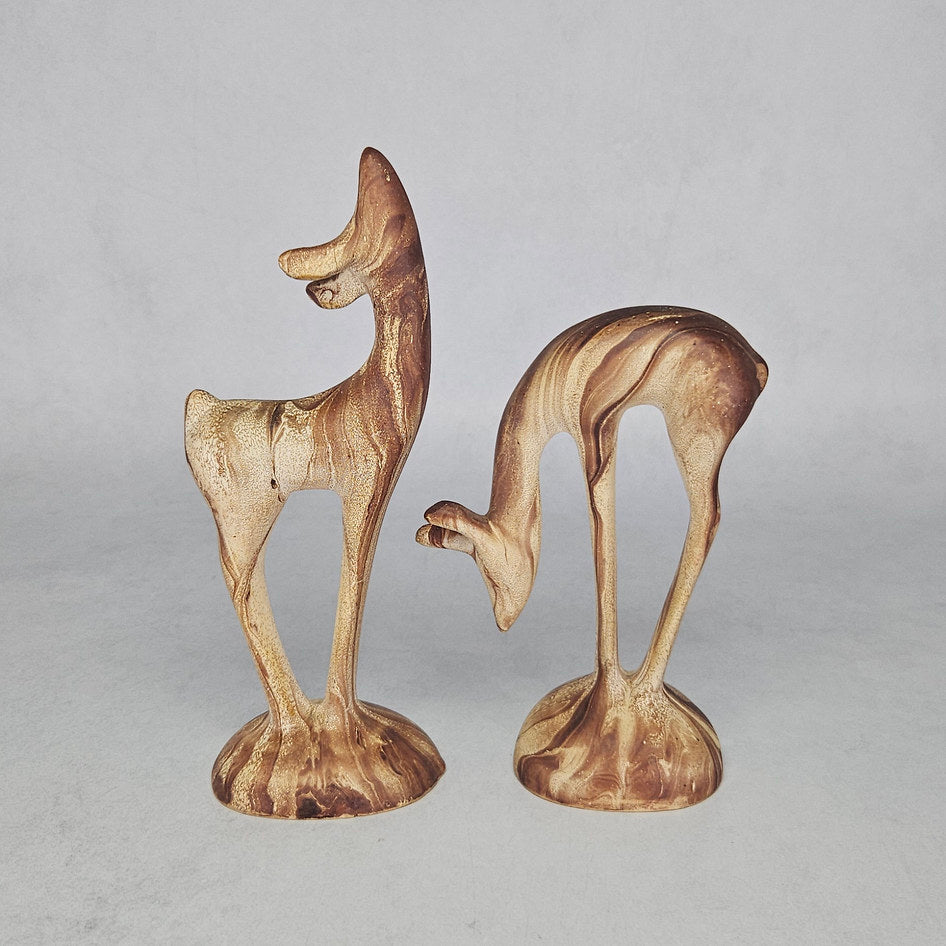
There is a particular kind of satisfaction that comes from finding the right spot for a piece you love. A Lucia Ware vase that has been sitting in a box suddenly comes alive on a shelf. A set of Blue Willow plates arranged on a kitchen wall transforms a plain space into something with character and history. Vintage ceramics are not museum pieces. They are meant to be lived with, and styling them well is part of the pleasure of collecting.
This guide offers practical, room-by-room advice for South African collectors who want to display their pieces confidently in a modern home, without it looking cluttered, dated, or like a curio shop.
The Core Principle: Edit, Then Display
The most common mistake collectors make when displaying pieces is showing everything at once. A shelf crowded with objects of different heights, colours, and styles reads as clutter, regardless of how beautiful the individual pieces are. The first step in good styling is editing: choosing which pieces to display, and rotating others into storage. A smaller, well-chosen grouping always looks better than a large, undifferentiated collection.
A useful rule of thumb is the odd-number principle: groupings of three or five objects tend to look more natural and visually interesting than groupings of two or four. Within a grouping, vary the height, but keep the colour palette or material consistent enough to create visual coherence.
The Living Room: Creating a Focal Point
The living room is where most collectors display their best pieces, and it is where styling decisions have the most impact. A few approaches that work well in the South African context:
The Shelf Grouping
A single shelf or a section of shelving styled with three to five pieces of varying height creates a strong focal point without overwhelming the room. For a cohesive look, anchor the grouping with one larger piece, such as a ceramic vase or a glass vase, and build around it with smaller pieces. A Lucia Ware vase in a bold green or burgundy pairs beautifully with a neutral linen backdrop and natural wood shelving, which suits the warm, earthy interiors common in South African homes.
The Mantelpiece
A mantelpiece is a natural display surface and one of the most forgiving in the home, because the architectural frame of the fireplace provides structure. A symmetrical arrangement, with a central piece flanked by two matching or complementary objects, works reliably. Figurines work particularly well on a mantelpiece because their vertical form and fine detail reward close viewing. A pair of Royal Doulton lady figurines flanking a central vase or clock creates a classic, elegant arrangement that suits both traditional and contemporary interiors.
The Coffee Table
A coffee table grouping works best when it includes objects at different heights, achieved with a tray, a stack of books, or a small stand. A decorative decanter or a ceramic ornament placed on a tray with a few smaller objects creates a styled vignette that looks intentional rather than accidental. Keep the colour palette tight: two or three colours maximum.
The Kitchen and Dining Room: Functional Display
The kitchen and dining room offer the most natural home for functional vintage ceramics, and South African collectors are well placed to take advantage of this. Blue Willow transferware, in particular, has been a fixture of South African dining rooms for generations and looks completely at home in both traditional and contemporary settings.
Plates on the Wall
A wall arrangement of Blue Willow plates is one of the most effective and affordable ways to add character to a kitchen or dining room. Arrange plates in a grid or a loose cluster, keeping the spacing consistent. Mix sizes for visual interest, but keep the pattern consistent for coherence. The same approach works well with Chinese export plates or a mix of blue and white ceramics from different makers, provided the colour palette ties them together.
Open Shelving
Open kitchen shelving styled with vintage ceramics is one of the most popular interior trends in South African homes, and it suits the relaxed, indoor-outdoor lifestyle that characterises much of the country. Stack Blue Willow or bone china pieces on open shelves alongside everyday items for a lived-in, curated look. The key is to mix functional pieces (mugs, plates, bowls) with purely decorative ones (a small vase, a figurine, a lidded jar) so the shelf reads as a collection rather than just storage.
The Sideboard
A sideboard or dresser is the ideal surface for a more substantial display. A row of ceramic vases in graduating heights, a grouping of South African pottery, or a mix of crystal decanters and Crystal and Glass collection all work well. Keep the back of the sideboard clear or use a mirror to add depth and reflect light back through the pieces.
The Bedroom: Restraint and Intimacy
The bedroom calls for a lighter touch. One or two well-chosen pieces on a bedside table or dressing table are more effective than a full display. A small ceramic vase with a single stem, a decorative ornament, or a delicate figurine adds personality without visual noise. In the bedroom, scale matters more than anywhere else: pieces that are too large feel imposing, and pieces that are too small get lost.
The Home Office and Study
A home office or study is an underused display space that suits the more intellectual, story-led pieces in a collection. A Wedgwood Jasperware piece on a desk, a piece of Art Glass on a windowsill where light can pass through it, or a small grouping of South African studio pottery on a bookshelf all work well in this context. These are pieces that reward close attention and suit a space where you spend time looking at them.
Colour Pairing: What Works in South African Interiors
South African interiors tend toward warm, earthy palettes, natural materials, and strong natural light, which creates a particular set of opportunities and constraints for displaying vintage ceramics.
- Blue and white ceramics work in almost any South African interior. The cool tones of blue and white porcelain or Blue Willow transferware provide a refreshing contrast to warm terracotta walls, natural wood, and linen textiles.
- South African pottery in earthy greens, burgundy reds, and warm browns sits naturally in interiors that use similar tones. Lucia Ware in particular suits the warm, textured interiors associated with Cape Dutch, Karoo, and bushveld-inspired decorating styles.
- Carnival Glass and Art Glass are best displayed where natural light can reach them. The iridescent surface of Carnival Glass and the colour saturation of art glass both depend on light to show at their best. A windowsill, a glass-fronted cabinet with a light source, or a shelf positioned to catch afternoon sun all work well.
- Figurines benefit from a plain, uncluttered backdrop. A white or neutral wall, a linen-covered shelf, or a glass-fronted cabinet allows the detail and colour of the piece to read clearly without competition.
Lighting: The Detail Most Collectors Overlook
Lighting transforms a display. Natural light is always the best option for glass and iridescent pieces, but for ceramics and figurines displayed away from windows, a small directed light source makes a significant difference. A picture light above a shelf grouping, a small LED spotlight in a cabinet, or even a well-positioned table lamp can lift a display from flat to genuinely beautiful. Warm white light (around 2700K to 3000K) suits most ceramics and glassware better than cool white, which can make warm-toned pieces look flat.
Rotating Your Collection
One of the pleasures of a collection is that it does not have to be static. Rotating pieces in and out of display keeps the home feeling fresh and gives you the opportunity to appreciate pieces that have been in storage. A seasonal rotation, perhaps bringing out Carnival Glass in summer when the light is strongest, or displaying warmer-toned South African pottery in winter, is a practical and enjoyable way to manage a growing collection.
Frequently Asked Questions
How do I display vintage ceramics without it looking cluttered?
Edit ruthlessly. Display fewer pieces than you think you need, group them by colour or material rather than mixing everything together, and vary the height within each grouping. Odd-number groupings (three or five pieces) tend to look more natural than even numbers. Rotate pieces in and out of display rather than showing everything at once.
What is the best way to display Blue Willow plates?
Blue Willow plates work well on a wall in a kitchen or dining room, arranged in a grid or loose cluster with consistent spacing. Plate hangers or plate rails both work. Mix sizes for visual interest but keep the pattern consistent. They also work well stacked on open shelving alongside everyday items for a relaxed, lived-in look.
How do I display Carnival Glass to show the iridescence?
Position Carnival Glass where natural light can reach it, ideally on a windowsill or a shelf that catches afternoon sun. The iridescent surface depends on light to show at its best. A glass-fronted cabinet with a warm LED light source is a good alternative for pieces displayed away from windows.
Can vintage ceramics work in a modern, minimalist interior?
Yes, very effectively. The key is restraint: one or two well-chosen pieces in a minimalist interior have far more impact than a crowded display. A single large ceramic vase, a carefully placed figurine, or a small grouping of three pieces in a consistent colour palette all work well in a contemporary setting. The contrast between the age and handmade quality of vintage ceramics and the clean lines of a modern interior is part of the appeal.
How do I protect vintage ceramics on display?
Keep pieces away from direct sunlight for extended periods, as UV light can fade gilding and some enamel colours over time. Dust regularly with a soft, dry cloth rather than a feather duster, which can catch on delicate details. For pieces displayed in high-traffic areas, a glass-fronted cabinet provides protection from accidental knocks. Avoid displaying valuable pieces near doors or in areas where they could be knocked over.
Ready to find pieces that work in your home? Browse the South African Ceramics collection, the Blue Willow collection, the Figurines collection, or the Carnival Glass collection for pieces that suit the warm, characterful interiors of South African homes. Check New Arrivals for recently sourced estate pieces, or contact us if you are looking for something specific. You can also learn more about the store and how each piece is sourced.