
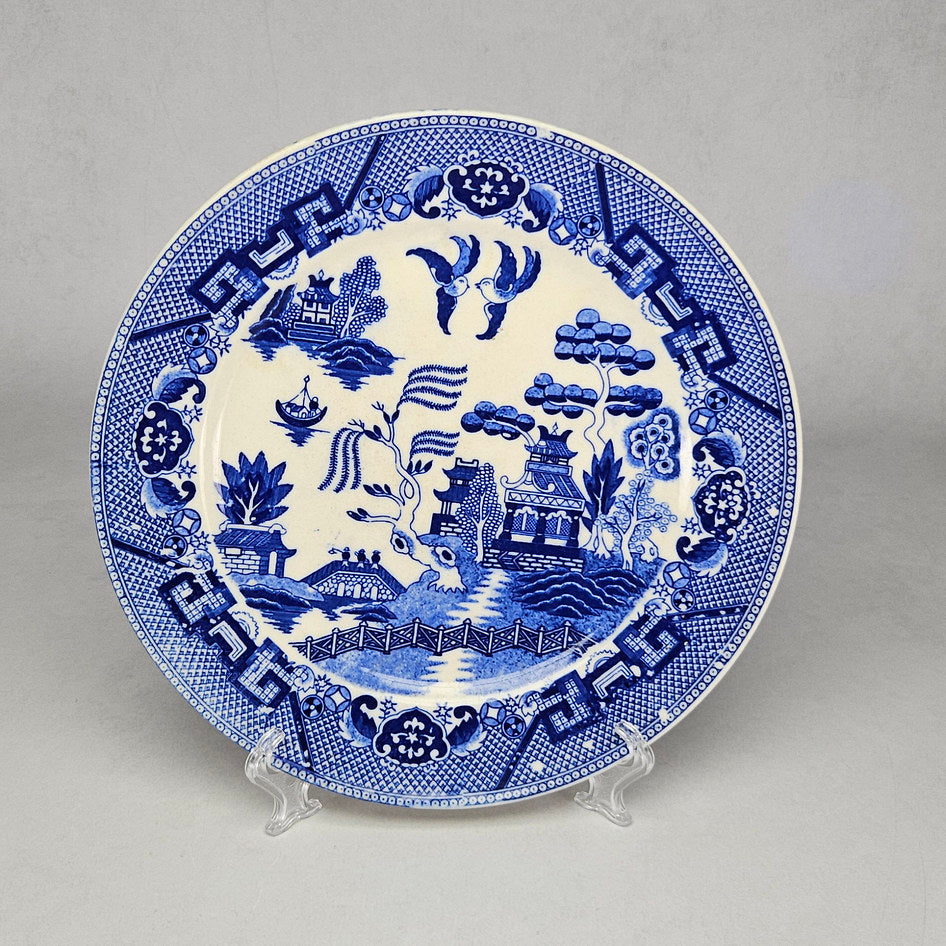
Few ceramic marks place an object within such a specific historical moment as clearly as "Made in Occupied Japan."
Used on Japanese export wares during the post-war occupation period, this mark connects a piece to a short and historically important era between 1945 and 1952. For collectors, it offers more than a country of origin. It provides a direct link to Japan's recovery, rebuilding, and renewed export production after the Second World War.
Today, ceramics marked Made in Occupied Japan are collected not only for their decorative charm, but also for the clear historical context carried by the mark itself.
What Does "Made in Occupied Japan" Mean?
The phrase Made in Occupied Japan refers to Japanese export goods produced during the Allied occupation of Japan after the Second World War. Japan was under Allied occupation from 1945 to 1952. During this period, many goods exported from Japan carried marks such as "Occupied Japan" or "Made in Occupied Japan." On ceramics, these marks are particularly useful because they help date a piece to a narrow period in the mid-twentieth century.
Unlike many pottery marks that require long research into factory codes, pattern numbers, or changing backstamps, the Occupied Japan mark gives collectors a clear historical frame. A ceramic item with this wording belongs to the post-war export period and is closely associated with Japan's re-entry into international trade. Read our guide to dating antique ceramics for more context on how marks work as dating tools.
What Kinds of Ceramics Were Made During the Occupied Japan Period?
Made in Occupied Japan ceramics appear in many forms. Collectors may find decorative plates, tea cups and saucers, bowls, vases, figurines, novelty items, tableware, and small ornaments. Some pieces are simple and practical, while others are highly decorative.
Popular decoration includes floral designs, figural subjects, landscape scenes, gilt accents, blue and white motifs, and chinoiserie-inspired patterns. Many export pieces were designed to suit Western collecting and decorating tastes, which is why traditional Asian-inspired imagery often appears alongside familiar European tableware forms. The variety is part of the appeal: Occupied Japan ceramics can be collected by mark, shape, colour, subject matter, pattern, or function.
Blue and White Chinoiserie Designs
Blue and white ceramics have long been admired by collectors, and many Japanese export pieces drew on this established decorative tradition. Chinoiserie-inspired designs often include pagodas, bridges, birds, trees, water, boats, and patterned borders. These motifs were popular across many ceramic traditions because they created a sense of movement, storytelling, and decorative balance.
A Made in Occupied Japan blue and white plate with a Willow-style composition fits comfortably within this wider tradition. It combines the visual appeal of classic blue and white decoration with the historical interest of the Occupied Japan mark. Collectors of Blue Willow and Delfts will find much to appreciate in the chinoiserie aesthetic.
Why Collectors Appreciate Occupied Japan Ceramics
- A specific date range: the 1945 to 1952 period is short, which gives marked pieces a clear and meaningful historical identity that few other ceramic marks can match.
- Decorative appeal: many pieces were made with appealing colours, familiar motifs, and display-friendly forms.
- Accessibility: Occupied Japan ceramics appeal to new collectors as well as experienced buyers. They offer a way to collect historically connected pieces without needing to focus only on high-end porcelain or named factories.
- A positive story: these ceramics reflect a period when Japanese makers were producing objects for homes around the world, helping to re-establish Japan's presence in international trade.
What to Look For
- The mark: look for wording such as "Made in Occupied Japan" or "Occupied Japan." The mark may be stamped, printed, or applied in different styles. A clear, legible mark is always preferable.
- Form and decoration: plates, tea wares, figurines, vases, and decorative pieces each appeal to different collectors. Blue and white pieces, floral designs, and chinoiserie-inspired scenes can be especially attractive for display.
- Condition: check the rim, surface, foot rim, and reverse for visible wear, crazing, staining, chips, cracks, or restoration. Clear photographs are essential when buying online.
How to Style Occupied Japan Ceramics
A blue and white plate can be displayed on a plate stand, placed in a cabinet, or added to a wall arrangement with other blue and white ceramics. The colour palette is timeless and works well with antique wood, brass, cream ceramics, glass, and other decorative objects.
Smaller pieces such as figurines, cups, or ornaments, can be grouped together to create a focused Occupied Japan display. For a more curated look, combine Occupied Japan pieces with other mid-century ceramics, Japanese export porcelain, or chinoiserie-inspired tableware.
Browse this plate and related ceramics in the shop: Occupied Japan Blue and White Chinoiserie Plate and the Blue and White Chinoiserie-Style Japanese Scene Ceramic Jug. Explore the Blues and Whites collection and the Oriental collection for related pieces, or contact us with any questions. You can also learn more about the store.