Glass is one of humanity's most enduring materials, ancient in origin, endlessly versatile, and capable of breathtaking beauty. For collectors of vintage glassware, understanding its history adds a rich layer of meaning to every piece. At Collectibles by Deon, the Art Glass and Carnival Glass collections span some of the most celebrated styles and periods in the history of this remarkable material.
Ancient Origins
The story of glass begins around 3500 BCE in Mesopotamia, where naturally occurring glass was first shaped into tools and ornaments. Over centuries, early artisans learned to manipulate molten glass, and by the first century BCE the Romans had perfected glassblowing, a revolutionary technique that made glass vessels widely available across the ancient world.
Venetian Mastery
The island of Murano near Venice became the centre of European glassmaking from the thirteenth century onward. Venetian craftsmen developed extraordinary techniques, including filigree work, millefiori, and the creation of cristallo, a remarkably clear glass, that set the standard for decorative glassware for centuries. Murano glass continues to be produced today and is actively collected. Read our guide to Art Glass collecting in South Africa for more on the Murano tradition.
The Age of Crystal
The development of lead crystal in seventeenth-century England transformed the possibilities of glassmaking. Lead glass has exceptional clarity, weight, and brilliance, making it ideal for cut and engraved decorative pieces. The great crystal houses of Britain and Ireland produced pieces of extraordinary refinement that remain highly collectible today.
Carnival Glass
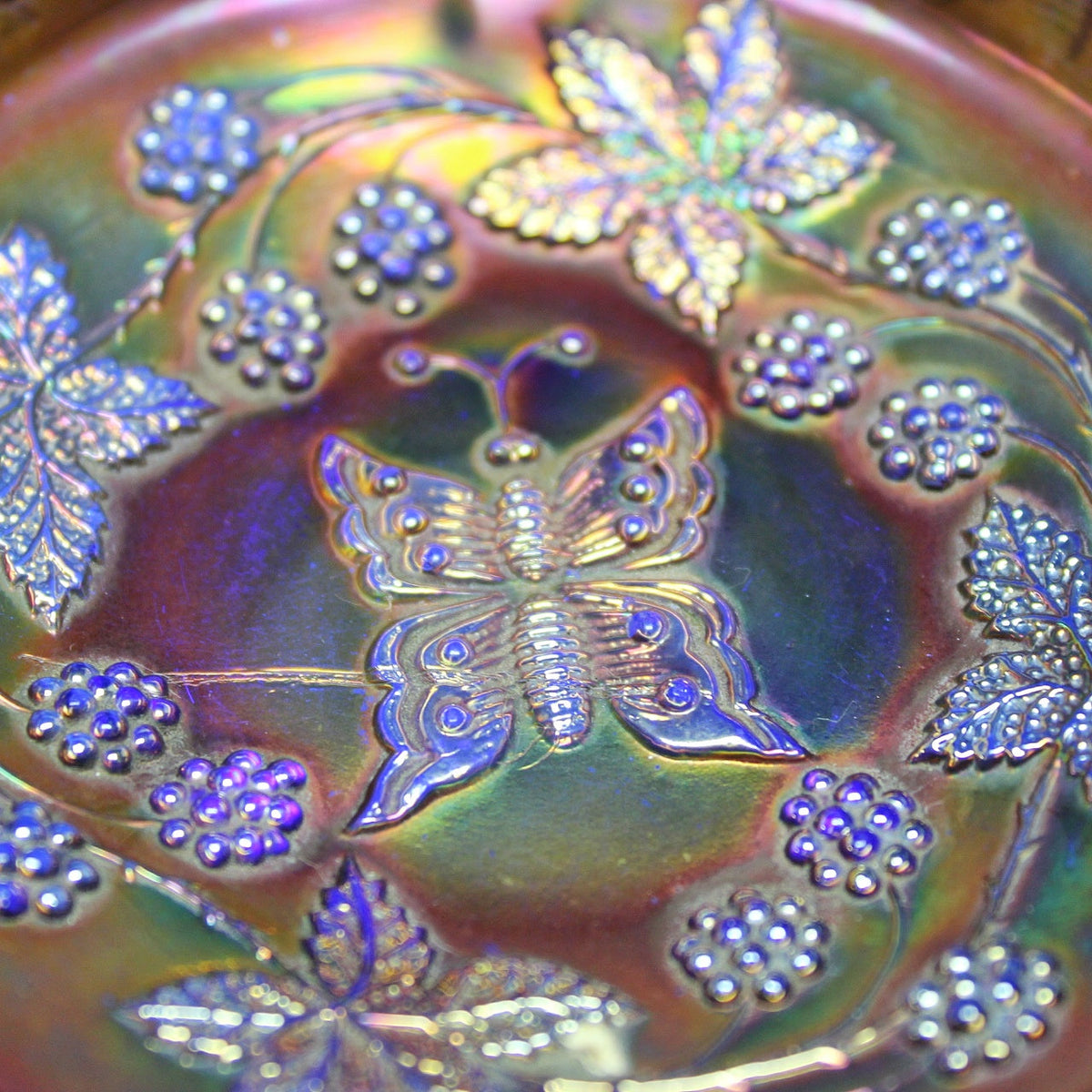
Produced primarily between 1908 and the 1930s, Carnival Glass is pressed glass with a distinctive iridescent surface finish. Originally sold as affordable decorative ware and given away as carnival prizes, hence the name, it is now eagerly collected for its jewel-like colours and intricate moulded patterns. Read our complete guide to Carnival Glass for a full introduction to the category.
Art Glass
The late nineteenth and early twentieth centuries saw the rise of Art Glass, studio-crafted pieces that treated glass as a fine art medium. Artists such as Emile Galle and Louis Comfort Tiffany created works of extraordinary beauty, and their influence can be seen in the vibrant, hand-crafted art glass pieces that collectors prize today. The Bohemian glasshouses, including makers like Kralik and Loetz, produced some of the most distinctive iridescent art glass of the period.
Collecting Vintage Glassware
When collecting vintage glassware, look for clarity, colour, and condition. Chips and cracks significantly affect value, while original labels or maker's marks add provenance. Carnival Glass is identified by its iridescent sheen. Art Glass by its hand-crafted irregularity and richness of colour. Crystal pieces reward close inspection, as the quality of the cut and the brilliance of the glass speak for themselves.
Browse the full Art Glass collection and Carnival Glass collection at Collectibles by Deon, or explore related categories including glass vases, decanters, and crystal and glass. Visit our contact page or learn more about the store.
Pressed Glass, Crystal, and Studio Work
Collectors often encounter several glassmaking methods within the same cabinet. Pressed glass was made by forcing molten glass into a mould, allowing factories to produce detailed patterns consistently. Crystal is valued for its clarity, weight, and ability to take a fine cut. Studio glass, by contrast, often shows the hand of the maker through asymmetry, layered colour, applied decoration, or variations from one piece to the next.
These differences can help identify a piece even when a mark is absent. A repeated moulded pattern suggests a different production method from a free-form vase with deliberately irregular walls. The base may reveal a polished pontil, mould seams, an etched signature, or a paper label. None of these details should be considered in isolation, but together they form a useful record.
Colour and Light
Light is one of the reasons glass remains so compelling to collect. Clear crystal shows cut edges and internal brilliance, while coloured art glass changes character according to the position of a window or lamp. Iridescent surfaces, especially on Carnival Glass, can shift from gold to green, blue, or violet as the viewing angle changes.
For display, allow enough space around a glass object for light to reach it. Avoid direct sunlight for long periods, particularly with coloured or painted pieces, as strong ultraviolet exposure can affect some finishes. A simple neutral shelf often allows the colour and form to do more work than a crowded arrangement.
Building Knowledge Through Comparison
Comparing related pieces is one of the most effective ways to learn. Place two vases from different makers together and note the differences in weight, rim treatment, mould detail, and surface finish. Compare a pressed pattern with a hand-shaped form, or a marigold carnival finish with a smoke or blue example. Over time, these observations become a practical visual vocabulary.
Collectible glassware rewards patient looking. The most valuable lesson is often not a single date or maker, but the ability to distinguish a confident, well-preserved example from a damaged or incorrectly described one.