
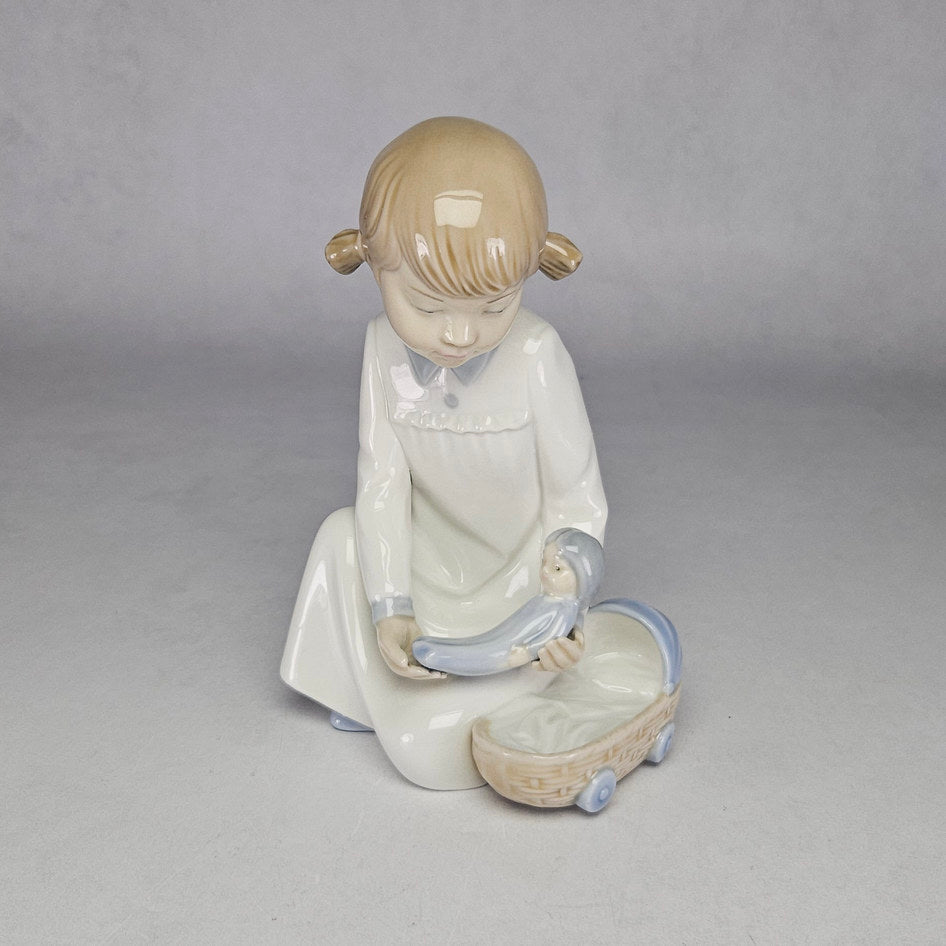
Lladró figurines are among the most recognisable porcelain collectibles in the world. Known for their soft colours, elegant forms and expressive detail, these Spanish porcelain sculptures have become beloved by collectors who appreciate refined craftsmanship and timeless decorative design. Browse the figurines collection at Collectibles by Deon to see the pieces currently available.
The history of Lladró
Lladró was founded in 1953 by three brothers, Juan, José and Vicente Lladró, in Almàssera, a village near Valencia in Spain. What began as a small family workshop developed into one of the most internationally recognised names in porcelain sculpture. The early Lladró pieces included decorative ceramics such as plates, vases and figurines. Over time, the company became especially associated with porcelain figures, which are now central to the brand's identity. In 1969, Lladró opened its headquarters in Tavernes Blanques, Valencia, and today the brand remains known for porcelain figures, decorative sculptures, lighting and home decor.
What makes Lladró figurines distinctive?
Lladró figurines are known for their graceful modelling, soft glaze and emotional themes. Many pieces depict dancers, children, animals, mothers, couples, musicians, religious figures or quiet everyday moments. The style is often gentle rather than dramatic. Faces are usually calm, poses are elegant and the colours are often soft blues, greys, creams, pinks and pastels. This gives Lladró figurines a refined and recognisable appearance. Collectors often appreciate the balance between realism and idealised beauty. A Lladró figurine is not simply a decorative ornament. It is a small sculptural scene designed to capture mood, movement and feeling.
Spanish porcelain craftsmanship
Lladró porcelain is associated with handcrafted production in Valencia, Spain. The brand is known for combining artistic modelling, careful moulding, assembly, finishing and decoration. One of the most admired aspects of Lladró craftsmanship is the fine detailing. Hands, faces, flowing garments, flowers, animal features and small accessories are often carefully modelled and finished. Some figurines are simple and elegant, while others are more complex, with delicate flower petals, textured fabric, musical instruments, baskets or animals. The more detailed the sculpture, the more important condition becomes, because small porcelain details can be vulnerable to damage.
The Lladró collection at Collectibles by Deon
The current collection includes a range of Lladró subjects. Animal pieces include the Lladró White Porcelain Standing Goose Artist-Signed Figurine, the Lladró White Porcelain Goose Preening Artist-Signed Figurine, the Lladró White Porcelain Goose Taking Flight Artist-Signed Figurine, the Lladró Sandy and White Crouching Cat Tail Up Porcelain Figurine and the Lladró Grey and White Inquisitive Seated Cat Porcelain Figurine. Character pieces include the Lladró Angel Playing Flute Porcelain Figurine Model 4540, the Lladró Girl on Bicycle with Puppies Porcelain Figurine Model 5680 and the NAO by Lladró Girl with Baby Doll Porcelain Figurine.
Why collectors love Lladró
Collectors enjoy Lladró for several reasons. The pieces are beautiful to display, suiting cabinets, shelves, sideboards, mantelpieces and curated porcelain groupings. Lladró has a strong and recognisable brand identity, and the range is wide enough that collectors can focus on children, animals, dancers, angels, religious figures, romantic couples, musicians or seasonal pieces. Many Lladró figurines also carry sentimental appeal, representing family, innocence, devotion, music, celebration or quiet tenderness. This emotional quality is part of their lasting popularity.
Are Lladró figurines rare?
Not all Lladró figurines are rare. The brand produced many designs over a long period, and some models are commonly found on the secondary market. However, some pieces are less commonly encountered and may be more desirable to collectors. These can include retired models, limited edition pieces, older examples, larger sculptures, complex figurines, pieces with original boxes and examples in excellent condition. Rarity should always be described carefully. A figurine should not be called rare unless there is clear support, such as a documented limited edition number, verified retired status or evidence that the specific model is difficult to source. For most product descriptions, the safer wording is collectable, retired where verified, discontinued where verified, or less commonly encountered where supported by market availability.
How to identify a Lladró figurine
The first place to check is the base. Lladró figurines usually have a printed or impressed mark, and many examples include the Lladró name and reference to Spain. Some pieces may also have model numbers, impressed marks, artist or decorator details, or original labels. When identifying a piece, it is useful to record the maker mark on the base, model number or impressed number if visible, title or subject where known, approximate height, finish such as gloss or matte, condition, and whether the piece is current, retired or limited edition where this can be verified.
What condition details matter?
Condition is very important with Lladró figurines. Because many designs include delicate hands, fingers, flowers, hats, animal ears or fine accessories, small damage can affect collectability. When assessing a figurine, check carefully for chips, cracks, repairs, missing flowers, damaged fingers, glaze scratches, base wear or restoration. The most vulnerable areas are often the fine projecting details. A figurine in excellent condition will generally be more desirable than one with visible damage or restoration. Original packaging can also add appeal, especially for collectors who prefer boxed examples.
Popular themes in Lladró collecting
Lladró collectors often focus on themes that suit their personal taste. Mother and child pieces are popular because of their gentle emotional quality. Dancers and musicians appeal to collectors who enjoy movement and performance. Animal figures, including dogs, cats, birds and farm animals, are often charming and easy to display. Religious figurines, angels and nativity pieces are also collected, especially by those who appreciate devotional or seasonal porcelain. Romantic couples and wedding pieces are often bought as meaningful gifts or keepsakes. This variety makes Lladró an accessible collecting area. A collection can begin with one figurine and grow naturally around a favourite subject or style.
How to style Lladró figurines at home
Lladró figurines are best displayed where their detail can be seen clearly. A glass cabinet is ideal because it protects the porcelain from dust and accidental damage while allowing the pieces to be enjoyed. For a softer interior look, a small grouping on a sideboard or bookshelf can work beautifully. Lladró pairs well with fine bone china, crystal, silverplate, floral ceramics and other elegant vintage pieces. When grouping figurines, try to create a visual story. A dancer beside a musician, a mother and child grouping, or a cluster of animal figures can feel more intentional than unrelated pieces placed together. Leave enough space around each figurine so the form can be appreciated.
Why Lladró remains collectable
Lladró remains collectable because it combines recognised maker history, Spanish porcelain craftsmanship and emotional design. The figurines have a softness that appeals across generations. They are decorative without being harsh, detailed without being overly busy, and elegant without feeling cold. This makes them suitable for both traditional and contemporary homes. For collectors, Lladró offers a wide field of interest. Some buyers look for specific retired models, while others collect by theme, size, colour, subject or personal meaning.
If you enjoy decorative figurines and collector guides, you may also find our articles on Beatrix Potter Figurines and Collectables: History, Makers and Collector Appeal and Black Wedgwood Jasperware: History, Identification and Collector Appeal of interest.
Explore the current Lladró figurines at Collectibles by Deon and discover elegant Spanish porcelain pieces chosen for collectors, decorators and lovers of timeless decorative design. For enquiries about specific pieces or availability, visit the Contact page.