Ceramics are among the most collected antiques in the world, and for good reason. They span centuries of human creativity, from humble earthenware bowls to the finest bone china tea services. At Collectibles by Deon, ceramics form the heart of the collection, and understanding the different types helps you collect with greater confidence and appreciation.
Earthenware
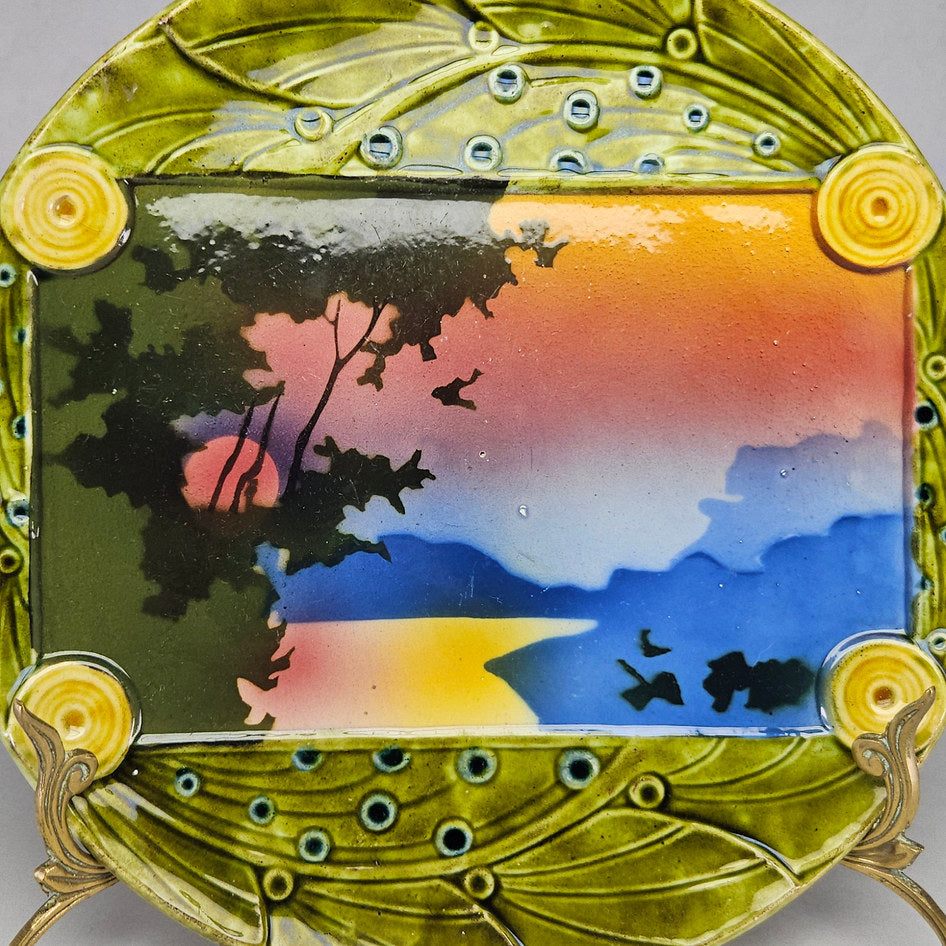
Earthenware is one of the oldest ceramic forms, fired at relatively low temperatures and characterised by its warm, earthy tones and slightly porous body. It includes beloved styles such as majolica, with its richly coloured, tin-glazed surfaces, and terracotta. Many South African and European decorative pieces fall into this category, as does the transferware tradition, including Blue Willow and other Staffordshire printed pottery. Read our guide to transferware for more detail.
Stoneware
Fired at higher temperatures than earthenware, stoneware is denser, more durable, and non-porous. It was widely used for functional items such as crocks, jugs, and storage vessels. Vintage stoneware pieces have a satisfying solidity and often feature salt glazes or hand-painted slip decoration. Wedgwood Jasperware is technically a fine stoneware body, despite its refined appearance.
Porcelain
Porcelain is the most refined of the ceramic body types, translucent in thin sections and fired at very high temperatures. It is the material of choice for the great European makers: Royal Doulton, Wedgwood, Royal Albert, Aynsley, and many others. Read our guide to bone china, porcelain, and earthenware for a full explanation of the differences between ceramic body types.
Bone China
A distinctly British innovation, bone china incorporates bone ash into the porcelain body, producing an exceptionally white, translucent, and strong material. It is the standard for fine English tea sets, figurines, and tableware. Makers such as Royal Albert, Belleek, and Aynsley are celebrated for their bone china productions.
Studio and Art Ceramics
Beyond the great factories, the twentieth century saw a flourishing of studio ceramics, with individual artists creating unique, hand-crafted pieces. South African studio ceramics have a rich tradition, and collectors increasingly seek pieces by notable local makers including Lucia Ware, Crescent Potteries, and studio potters like Clementina van der Walt. Read our guide to South African pottery makers for a full introduction.
What to Look For
When collecting vintage ceramics, look for maker's marks on the base. These identify the manufacturer, the pattern, and often the date of production. Condition is paramount: chips, cracks, and restoration all affect value. Read our guide to valuing antiques and our guide to dating ceramics using marks for practical advice on both.
Browse the full Ceramics collection at Collectibles by Deon, or explore related categories including ceramic vases, blues and whites, tea and coffee pots, and figurines. Visit our contact page or learn more about the store.