
Cleaning antique ceramics is one of those tasks where good intentions can cause real damage. The wrong cloth, the wrong cleaning product, or the wrong technique can strip gilding, lift enamel, dissolve restoration, or scratch a glaze that has survived intact for a hundred years. This guide sets out safe, practical cleaning methods for the main types of antique ceramics you are likely to encounter as a South African collector.
The overriding principle is this: when in doubt, do less. A piece that is slightly dusty is far better than a piece with damaged gilding or lifted enamel. If you are uncertain about a piece, particularly one that may have been restored, consult a specialist conservator before attempting any cleaning.
Before You Start: Check for Restoration
The most important step before cleaning any antique ceramic is to check whether it has been restored. Professional restoration can be very difficult to detect visually, but most restoration materials react differently to water and cleaning products than the original ceramic. Cleaning a restored piece with the wrong product can dissolve or discolour the restoration, making it visible and reducing the value of the piece significantly.
The most reliable way to check for restoration is under ultraviolet (UV) light. Most restoration materials fluoresce differently from the original ceramic under UV light, making repaired areas visible as bright patches or dark spots. A UV torch is a worthwhile investment for any serious collector and is available from hardware and photography suppliers.
If a piece shows signs of restoration under UV light, clean it only with a barely damp cloth and avoid any cleaning products, soaking, or scrubbing.
General Cleaning: Dust and Light Surface Dirt
For most antique ceramics in good condition, regular dusting is all that is needed. Use a soft, clean brush, such as a clean watercolour brush, a soft makeup brush, or a dedicated ceramic cleaning brush. Brush in the direction of the decoration rather than across it, and pay particular attention to recessed areas where dust accumulates.
Do not use feather dusters on antique ceramics. The quills can catch on fine applied decoration, gilding, and projecting elements such as flowers, hands, and hat brims on figurines, causing chips and breakage.
For light surface dirt beyond dust, a barely damp soft cloth is usually sufficient. Use distilled or filtered water rather than tap water, which contains minerals that can leave deposits on the surface. Wring the cloth out thoroughly so that it is barely damp rather than wet, wipe gently, and dry immediately with a clean, soft cloth. Do not allow water to sit on the surface of a ceramic piece.
Washing Antique Ceramics
Some antique ceramics can be washed carefully by hand, but this should be approached with caution and is not appropriate for all pieces. The following types of pieces should never be washed:
- Pieces with known or suspected restoration
- Pieces with overglaze enamel decoration that shows any signs of lifting or flaking
- Pieces with gilding, particularly worn or rubbed gilding
- Unglazed pieces, including Wedgwood Jasperware, bisque figurines, and unglazed stoneware
- Pieces with applied decoration (flowers, leaves, figures) that may be loosely attached
- Pieces with cracks or hairlines, as water can penetrate and cause staining or structural damage
For pieces that can be washed, use the following method:
- Line the sink with a folded towel or rubber mat to cushion the piece if it is set down or slips.
- Use lukewarm water, never hot. Thermal shock from hot water can cause cracking, particularly in older ceramics.
- Add a very small amount of mild, pH-neutral washing-up liquid. Avoid detergents with bleach, citrus, or abrasive components.
- Wash gently with a soft cloth or a soft-bristled brush. Do not scrub.
- Rinse thoroughly with clean lukewarm water to remove all traces of detergent.
- Dry immediately and thoroughly with a clean, soft cloth. Do not leave pieces to air dry, as water pooling in recesses can cause staining.
- Allow the piece to finish drying at room temperature before returning it to display.
Never Put Antique Ceramics in a Dishwasher
This point cannot be overstated. Dishwashers use high temperatures, high-pressure water jets, and harsh detergents that are damaging to antique ceramics. A single dishwasher cycle can strip gilding, fade enamel colours, cause crazing, dissolve restoration, and damage applied decoration. No antique ceramic, regardless of how robust it appears, should ever be put in a dishwasher.
Cleaning Specific Types of Ceramics
Bone China and Porcelain Figurines
Figurines, including Royal Doulton lady figurines and Beswick animal studies, should be cleaned by dusting only in most cases. The applied decoration, fine detail, and projecting elements of figurines make them particularly vulnerable to damage from washing. If a figurine requires more than dusting, use a barely damp soft brush on the body of the piece, avoiding gilded areas and applied decoration entirely. Dry immediately.
Transferware and Blue Willow
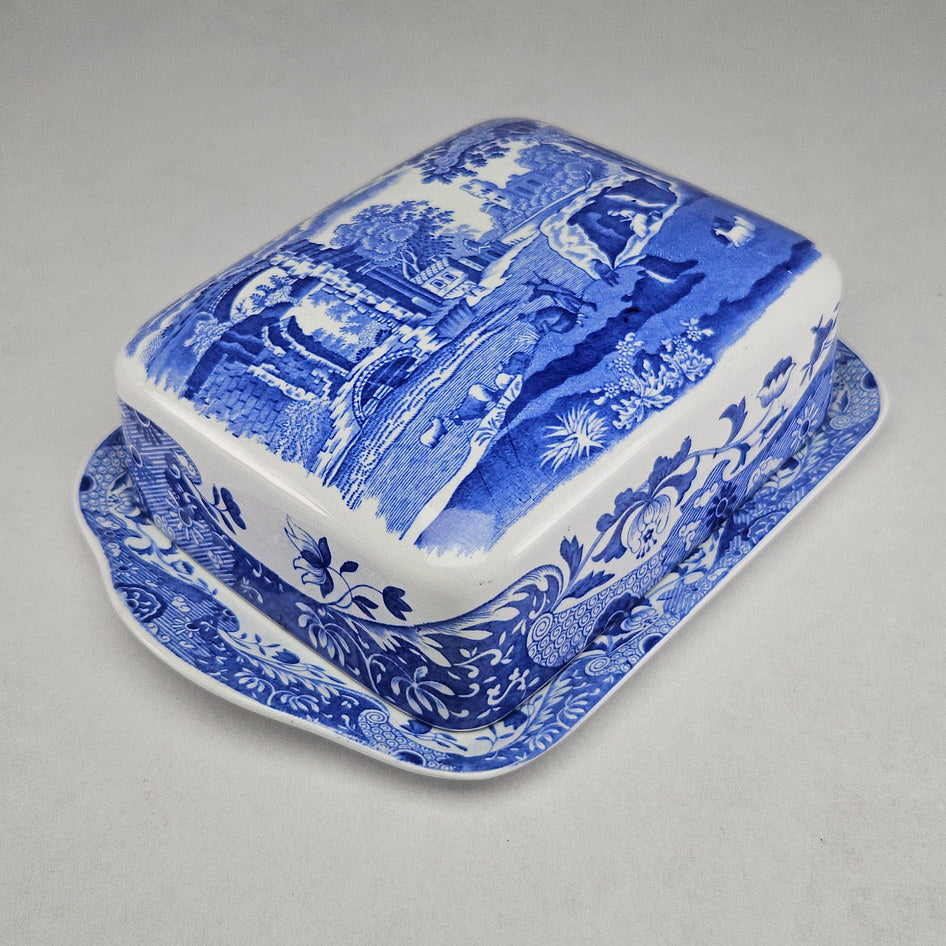
Blue Willow and other transferware pieces in good condition can generally be washed carefully by hand using the method described above. The underglaze transfer print is protected by the glaze layer and is not vulnerable to water damage in the way that overglaze enamel decoration is. However, pieces with gilded borders should be treated with caution, as gilding is vulnerable to detergent and abrasion.
Wedgwood Jasperware
Wedgwood Jasperware is an unglazed stoneware body and requires special care. The matte, unglazed surface absorbs oils from handling and can stain if exposed to liquids. Dust Jasperware with a soft, dry brush. If the surface has become discoloured from handling, a very soft brush dampened with distilled water can be used carefully on the coloured body, avoiding the white relief decoration. Do not use any cleaning products on Jasperware. Allow to dry completely before handling or returning to display.
Carnival Glass and Art Glass
Carnival Glass requires particular care because the iridescent surface is a thin metallic film that can be damaged by abrasion and harsh cleaning products. Dust with a soft, dry cloth. If washing is necessary, use lukewarm water and a very small amount of mild washing-up liquid, wash gently without scrubbing, rinse thoroughly, and dry immediately with a soft cloth. Never use abrasive cloths, scouring pads, or cleaning products containing bleach or citrus on Carnival Glass. The same principles apply to Art Glass.
South African Pottery
South African commercial pottery, including Lucia Ware, Drostdy, and Crescent Potteries, is generally produced on earthenware or semi-vitreous earthenware bodies with a glaze. Pieces in good condition without restoration can be washed carefully by hand using the method described above. Pieces with crazing should be treated with caution, as water can penetrate the crazing and cause staining.
Silverware and Metalware
Silverware and brass and metalware require different cleaning approaches from ceramics. Silver should be cleaned with a specialist silver polish applied with a soft cloth and buffed gently. Brass can be cleaned with a specialist brass cleaner. Never use silver polish on ceramics, and never use ceramic cleaning methods on metalware.
Removing Stains from Antique Ceramics
Staining in crazing, on unglazed areas, or from previous storage is a common issue with antique ceramics. Stain removal should be approached very cautiously, as aggressive stain removal can cause more damage than the stain itself.
For light staining on glazed surfaces, a paste of bicarbonate of soda and distilled water applied gently with a soft cloth and rinsed thoroughly can be effective. Do not use bleach-based products, as these can damage gilding and enamel colours and may affect the ceramic body itself.
For significant staining, particularly in crazing or on unglazed areas, consult a specialist ceramic conservator rather than attempting home treatment. The cost of professional conservation is almost always less than the cost of replacing a damaged piece.
When to Consult a Specialist Conservator
Some cleaning and restoration tasks are beyond the scope of home care and require a specialist ceramic conservator. These include:
- Removing old or poorly executed restoration
- Stabilising lifting or flaking enamel
- Treating significant staining in crazing or on unglazed areas
- Repairing chips or cracks
- Cleaning pieces of significant value where any risk of damage is unacceptable
In South Africa, specialist ceramic conservators are available through the major auction houses and through the South African Museums Association. For pieces of significant value, the cost of professional conservation is a worthwhile investment.
Frequently Asked Questions
Can I put antique ceramics in the dishwasher?
No. Dishwashers use high temperatures, high-pressure water jets, and harsh detergents that damage antique ceramics. A single dishwasher cycle can strip gilding, fade enamel colours, cause crazing, and dissolve restoration. All antique ceramics should be washed by hand only, if washing is appropriate at all.
How do I clean Wedgwood Jasperware?
Wedgwood Jasperware is an unglazed stoneware body that absorbs oils and can stain. Dust with a soft, dry brush. If the surface has become discoloured, a very soft brush dampened with distilled water can be used carefully on the coloured body, avoiding the white relief decoration. Do not use any cleaning products on Jasperware.
How do I clean Carnival Glass without damaging the iridescence?
Dust Carnival Glass with a soft, dry cloth. If washing is necessary, use lukewarm water and a very small amount of mild washing-up liquid, wash gently without scrubbing, rinse thoroughly, and dry immediately with a soft cloth. Never use abrasive cloths or cleaning products containing bleach or citrus, as these can damage the iridescent surface.
How do I know if a piece has been restored?
Examine the piece under ultraviolet (UV) light. Most restoration materials fluoresce differently from the original ceramic, making repaired areas visible as bright patches or dark spots. A UV torch is available from hardware and photography suppliers and is a worthwhile investment for any serious collector.
Is it safe to use bicarbonate of soda to clean ceramics?
A paste of bicarbonate of soda and distilled water can be used carefully on light staining on glazed surfaces, applied gently with a soft cloth and rinsed thoroughly. Do not use it on gilded areas, enamel decoration, unglazed surfaces, or pieces with known or suspected restoration. When in doubt, consult a specialist conservator.
For more practical collector guidance, browse the Collectibles Journal, including our guides on displaying a figurine collection, styling vintage ceramics in a South African home, and how to value antiques in South Africa. Browse the Ceramics collection, the Figurines collection, or contact us with any questions about a specific piece. You can also learn more about the store and how we source each piece.