Royal Albert is one of those names that South African collectors encounter early and often. The bone china teacups, plates, and serving pieces that passed through South African households for generations were frequently Royal Albert, and the patterns, particularly the floral and figurative designs of the mid-twentieth century, have a warmth and familiarity that makes them immediately appealing. Whether you are building a complete Lady Hamilton service or collecting individual Teddy Bear Tales plates, Royal Albert offers a broad and rewarding collecting category.
This guide covers the history of the Royal Albert factory, the key patterns you will encounter, how to date pieces using marks, and what to look for when assessing pieces in the Collectibles by Deon Royal Albert collection.
A Brief History of the Royal Albert Factory
The Royal Albert name is associated with the factory of Thomas C. Wild and Sons, established in Longton, Staffordshire, in 1896. The "Royal Albert" name was adopted in 1904, following the granting of a royal warrant. The factory produced bone china tableware and decorative pieces under the Royal Albert name through the twentieth century, becoming one of the most widely distributed British bone china brands internationally.
Royal Albert was acquired by the Pearson Group in 1964 and subsequently became part of Royal Doulton in 1972. It is now part of the WWRD group (Waterford Wedgwood Royal Doulton), which continues to produce pieces under the Royal Albert name, though the range is considerably smaller than at the peak of production in the mid-twentieth century.
The most famous Royal Albert pattern is Old Country Roses, introduced in 1962 and claimed to be the best-selling bone china pattern in the world. While Old Country Roses is the most widely known pattern internationally, the South African market also has a strong affinity for the Lady Hamilton pattern and the licensed character series including Teddy Bear Tales and the World of Beatrix Potter.
Key Royal Albert Patterns
Lady Hamilton
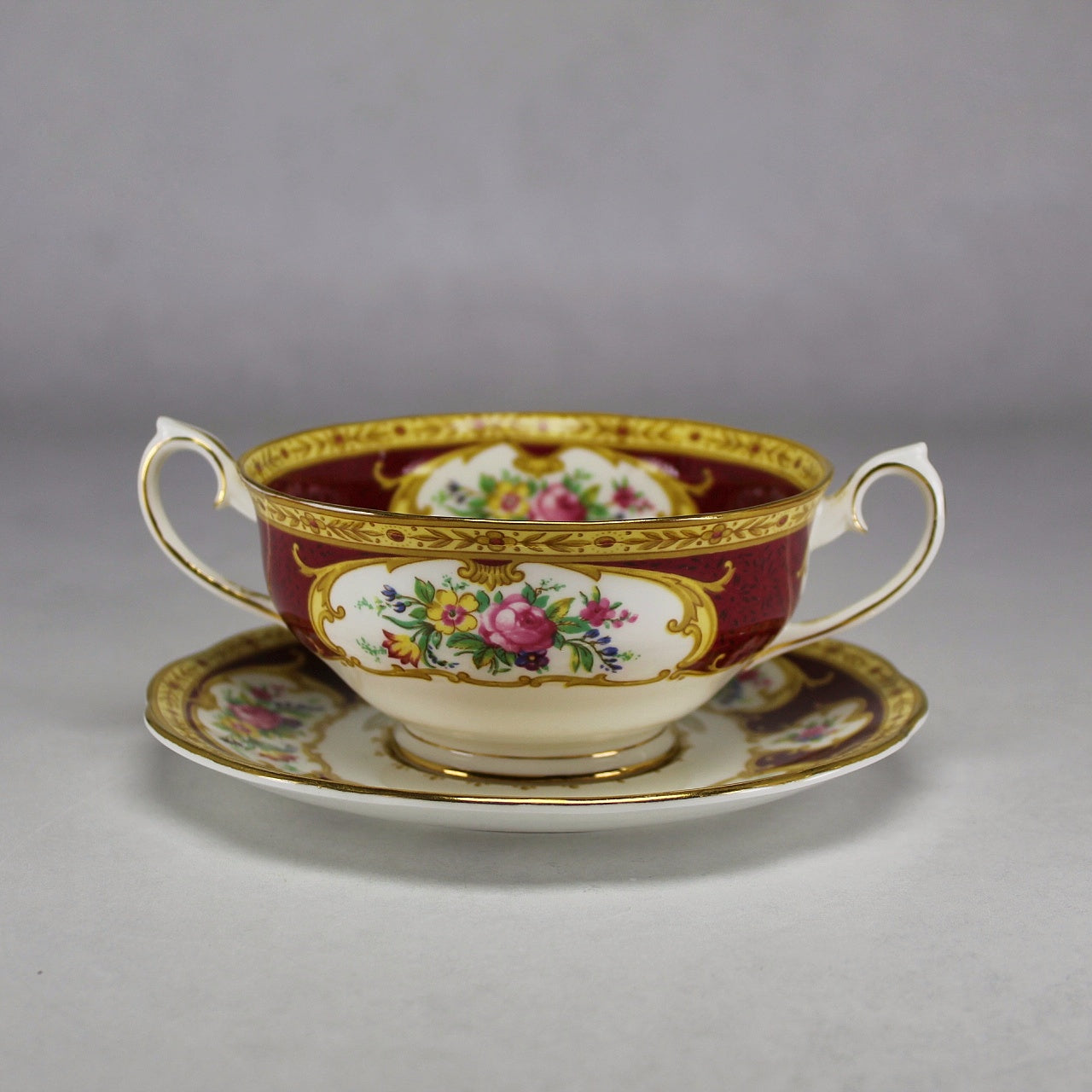
Lady Hamilton is one of Royal Albert's most elegant and consistently collected patterns, featuring a central floral spray with a richly decorated border in a palette of soft pinks, greens, and gold. It was produced across a wide range of tableware forms and is well documented in Royal Albert collector references.
The Collectibles by Deon Royal Albert collection includes a strong selection of Lady Hamilton pieces, including the Royal Albert Lady Hamilton Charger Plate, the Royal Albert Lady Hamilton Dinner Plate, the Royal Albert Lady Hamilton Side Plate, and the Royal Albert Lady Hamilton Soup Coupe with Matching Plate. For a more detailed guide to the Lady Hamilton pattern and the Teddy Bear Tales series, read our dedicated article on Royal Albert Teddy Bear Tales Bone China Plates.
Teddy Bear Tales
The Teddy Bear Tales series is a licensed Royal Albert range featuring illustrations of teddy bears in domestic scenes, produced in the 1990s. The series was produced in a limited number of designs, each depicting a different scene, and is collected both as individual plates and as a complete series. The Royal Albert Teddy Bear Tales The Picnic Bone China Plate and the Royal Albert Teddy Bear Tales An Evening at Home Bone China Plate in the collection are examples of the series.
The World of Beatrix Potter
Royal Albert produced a range of pieces under licence from the Beatrix Potter estate, featuring the characters from Beatrix Potter's illustrated books. The Royal Albert The World of Beatrix Potter Tom Kitten Bone China Plate in the collection is an example of this licensed range. Beatrix Potter pieces from Royal Albert are collected both as part of a broader Royal Albert collection and as part of a Beatrix Potter character collection. Read our dedicated guide to Beatrix Potter collectibles for more context on the broader Beatrix Potter collecting category.
Old Country Roses
Old Country Roses, introduced in 1962, is Royal Albert's most famous and widely produced pattern, featuring a central bouquet of red roses with a richly gilded border. It is claimed to be the best-selling bone china pattern in the world and is produced across an enormous range of tableware and decorative forms. While not currently represented in the Collectibles by Deon collection, it is the pattern most commonly encountered at South African estate sales and is a useful reference point for understanding the Royal Albert range.
Dating Royal Albert Pieces Using Marks
Royal Albert marks changed several times through the factory's history, and the mark on a piece provides useful dating information:
- "Royal Albert" name: the Royal Albert name was adopted in 1904. Any piece marked "Royal Albert" was made after 1904. Earlier pieces from the Thomas C. Wild and Sons factory carry different marks.
- "England" in the mark: indicates production after 1891 for export to the United States.
- "Made in England": indicates production after approximately 1921.
- "Bone China": the explicit statement of "bone china" in the mark became standard on Royal Albert pieces in the mid-twentieth century.
- Pattern names in the mark: the inclusion of the pattern name (such as "Lady Hamilton" or "Old Country Roses") in the backstamp is associated with mid to late twentieth-century production.
Read our guide to dating antique ceramics for broader context on mark dating.
What to Look For When Collecting Royal Albert
- Gilding condition: gilding is a major decorative element on most Royal Albert patterns. Examine borders carefully for wear, rubbing, and fading. Significant gilding loss reduces value, particularly on patterns where the gilded border is a defining feature.
- Condition of the bone china body: Royal Albert bone china is fine and delicate. Examine rims, handles, spouts, and lids carefully for chips and hairlines. The handle of a teacup and the lid of a teapot are particularly vulnerable.
- Pattern consistency within sets: within a set, the painting and gilding should be consistent across all pieces. Significant variation may indicate that the set has been assembled from different production batches.
- Completeness of sets: complete Royal Albert tea services and dinner services are increasingly rare and command premiums. Individual pieces are more commonly found and are a practical starting point for new collectors.
- Licensed series completeness: for licensed series such as Teddy Bear Tales and the World of Beatrix Potter, knowing the complete set of designs produced allows collectors to identify gaps and assess the completeness of a collection.
Royal Albert in South Africa
Royal Albert bone china arrived in South Africa in significant quantities through the colonial period and continued to be imported through the twentieth century. It is one of the most commonly encountered British bone china brands at South African estate sales, auction houses, and antique markets. Complete tea services are rare, but individual pieces and partial services are regularly found at accessible prices.
Browse the full Royal Albert collection at Collectibles by Deon, or explore related pieces in the Ceramics collection and the Figurines collection. For questions about specific patterns or pieces, visit our contact page or learn more about the store.
Frequently Asked Questions
When was the Royal Albert name first used?
The Royal Albert name was adopted in 1904 by the factory of Thomas C. Wild and Sons in Longton, Staffordshire, following the granting of a royal warrant. Any piece marked "Royal Albert" was made after 1904.
What is the most collected Royal Albert pattern?
Old Country Roses, introduced in 1962, is the most widely produced and internationally recognised Royal Albert pattern. In the South African market, Lady Hamilton is also widely collected, and the licensed character series including Teddy Bear Tales and the World of Beatrix Potter have dedicated collector followings.
Is Royal Albert still being made?
Yes. Royal Albert bone china continues to be produced under the Royal Albert name as part of the WWRD group (Waterford Wedgwood Royal Doulton), though the range is considerably smaller than at the peak of production in the mid-twentieth century. Old Country Roses remains in production.
How do I clean Royal Albert bone china?
Royal Albert bone china should be washed by hand only, never in a dishwasher. Use lukewarm water and a very small amount of mild washing-up liquid, wash gently, rinse thoroughly, and dry immediately. Gilded borders are particularly vulnerable to detergent and abrasion. Read our guide to cleaning antique ceramics for full advice.
What is the difference between Royal Albert and Royal Doulton?
Royal Albert and Royal Doulton are separate brands with separate histories, though both are now part of the WWRD group. Royal Albert is associated primarily with floral tableware patterns, while Royal Doulton is associated with a broader range including figurines, character jugs, and tableware. Royal Albert became part of Royal Doulton in 1972.
A rewarding category for collectors of Royal Albert bone china, English fine china, or vintage tea services. Browse the Royal Albert collection to explore available pieces, or contact us to ask about specific patterns. You can also learn more about the store.