Every collector eventually faces the question of storage. A collection grows faster than display space, pieces need to be moved, or circumstances require that part of a collection be packed away for a period. Done well, storage is simply a pause in a piece's display life. Done badly, it is where damage happens, often invisibly, until the piece is unwrapped and the chip or crack is discovered.
This guide covers the practical steps for storing antique ceramics safely, from wrapping individual pieces to managing long-term storage conditions. The same principles apply whether you are packing a single figurine for a house move or storing a significant part of your collection for an extended period.
The Core Principle: Protect Against Impact, Pressure, and Environment
Damage to stored ceramics comes from three sources: impact (pieces knocking against each other or against hard surfaces), pressure (pieces being stacked or packed too tightly), and environment (temperature extremes, humidity, UV light, and pests). Good storage practice addresses all three.
Wrapping Individual Pieces
Every piece should be wrapped individually before being placed in a box or storage container. The wrapping serves two purposes: it cushions the piece against impact and prevents it from coming into direct contact with other pieces or hard surfaces.
What to Use
- Acid-free tissue paper: the best wrapping material for antique ceramics. Acid-free tissue is soft, non-abrasive, and will not react chemically with the ceramic surface over time. It is available from art supply shops and specialist packing suppliers. Use several layers for delicate pieces.
- Bubble wrap: useful as a secondary layer over tissue paper for additional cushioning, particularly for pieces being transported. Do not use bubble wrap directly against the ceramic surface, as the plastic can leave marks on unglazed surfaces and may react with some glazes over long periods.
- Foam padding: closed-cell foam (the type used in camera cases and tool boxes) provides excellent cushioning and can be cut to fit specific pieces. It is particularly useful for figurines with projecting elements that need individual support.
What to Avoid
- Newspaper: the ink in newspaper can transfer to ceramic surfaces, particularly unglazed areas, and is acidic, which can cause long-term damage. Never use newspaper directly against a ceramic piece.
- Standard tissue paper: non-acid-free tissue paper is acidic and can cause yellowing and surface damage over time. Use acid-free tissue only.
- Rubber bands: never use rubber bands to secure wrapping around a ceramic piece. Rubber degrades over time and can leave marks on the surface.
- Adhesive tape directly on ceramics: never apply adhesive tape directly to a ceramic surface. The adhesive can damage glazes and leave residue that is difficult to remove.
How to Wrap a Figurine
Figurines require particular care because of their projecting elements. Wrap projecting elements (arms, hands, hats, flowers, tails, ears) individually with small pieces of acid-free tissue before wrapping the main body of the piece. This prevents projecting elements from being pressed against the body during storage and reduces the risk of breakage at the most vulnerable points. Once the projecting elements are protected, wrap the entire piece in several layers of acid-free tissue, then add a layer of bubble wrap for transport or if the piece will be stored in a location where it may be moved.
Packing Pieces into Boxes
Once pieces are individually wrapped, they need to be packed into boxes or containers in a way that prevents movement and distributes weight safely.
Box Selection
- Use sturdy, double-walled cardboard boxes for ceramics. Single-walled boxes compress too easily under weight and provide insufficient protection against impact.
- Size the box to the contents. A box that is too large allows pieces to move during transport or if the box is shifted. A box that is too small forces pieces together. The ideal box has enough space for adequate padding around each piece without excess room.
- Plastic storage boxes with lids are a good alternative to cardboard for long-term storage, as they are more resistant to moisture and pests. Use boxes with secure-fitting lids rather than loose-fitting ones.
Packing Order and Stacking
- Heaviest pieces at the bottom, lightest at the top. Never place heavy pieces on top of lighter, more delicate ones.
- Do not stack plates directly on top of each other without padding between them. Place a sheet of acid-free tissue or a piece of foam between each plate. The weight of stacked plates can cause hairline cracks in the lower pieces over time.
- Pack pieces snugly but not tightly. There should be enough padding between pieces that they cannot knock against each other if the box is moved, but not so much compression that pieces are under pressure.
- Fill empty spaces with crumpled acid-free tissue or foam to prevent movement. A box that rattles when moved is a box where damage will occur.
- Label boxes clearly with the contents and the word "FRAGILE" on all sides and the top. Include an indication of which side is up.
Long-Term Storage Conditions
The storage environment matters as much as the packing. Antique ceramics are vulnerable to several environmental factors that cause damage over time:
Temperature
Avoid storing ceramics in locations with extreme temperature fluctuations, such as uninsulated garages, roof spaces, or outbuildings. In the South African context, roof spaces in particular can reach very high temperatures in summer, which can cause thermal stress in ceramics and accelerate the degradation of any restoration materials. A consistent, moderate temperature is ideal. Interior rooms of a house, away from direct sun and heating or cooling vents, are generally suitable.
Humidity
High humidity can cause moisture to penetrate crazing in glazed ceramics and staining in unglazed areas. Low humidity can cause some materials to become brittle. In South African coastal environments, where humidity can be high, storing ceramics in sealed plastic boxes with silica gel desiccant packets helps control moisture. Replace or regenerate silica gel packets regularly according to the manufacturer's instructions.
UV Light
Direct sunlight and UV light fade gilding and some enamel colours over time. Store ceramics away from windows and direct light sources. If pieces are stored in a room with windows, cover boxes or use UV-filtering storage bags.
Pests
Rodents and insects can damage packing materials and, in some cases, ceramics themselves. Store boxes off the floor on shelving, and inspect storage areas regularly for signs of pest activity. In South African environments, particularly in rural or semi-rural areas, pest management in storage spaces is a practical consideration.
Storing Specific Types of Ceramics
Figurines
Wrap projecting elements individually as described above. Store figurines upright where possible, supported by foam padding, rather than on their sides. If a figurine must be stored on its side, ensure that no projecting elements are bearing the weight of the piece.
Plates and Flat Pieces
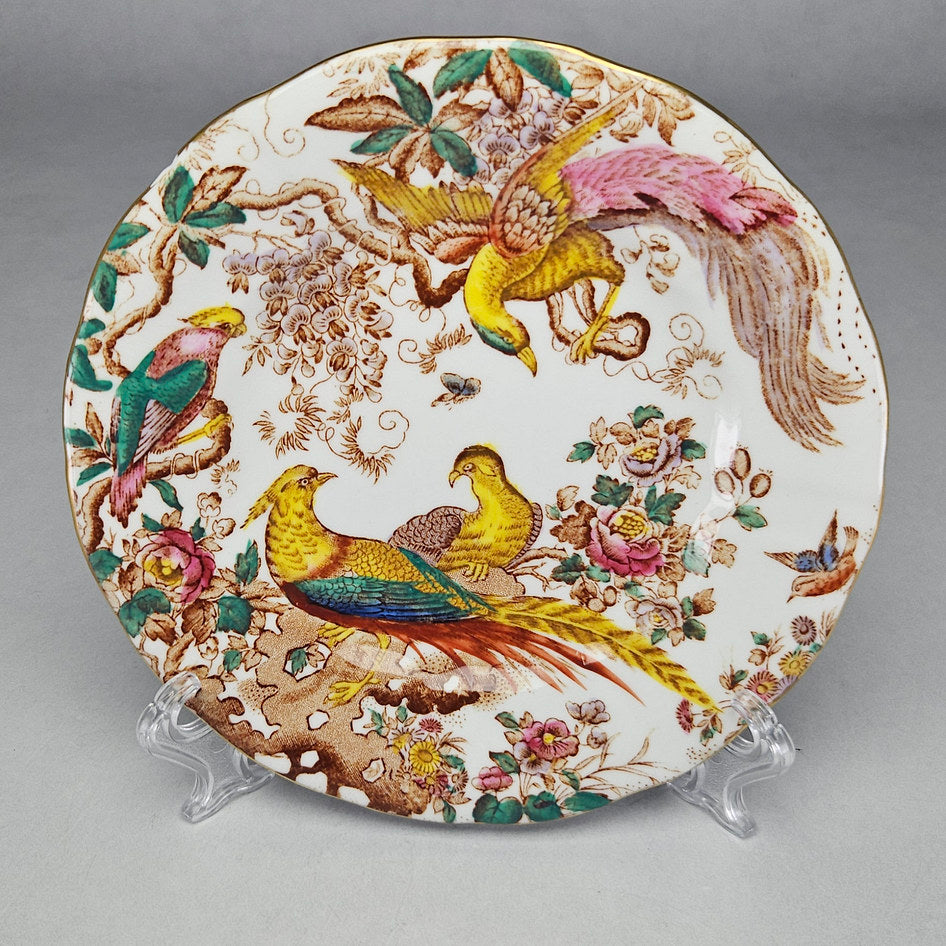
Store plates vertically (on their edges) rather than horizontally (flat) where possible. Vertical storage distributes the weight of the plate through its rim rather than across its face, reducing the risk of stress fractures from stacking weight. Use plate dividers or foam padding between plates stored vertically to prevent them from knocking against each other.
Cups and Mugs
Never stack cups or mugs inside each other for storage. The weight of stacked cups can cause hairline cracks in the lower pieces, and the rims of the upper cups can damage the interiors of the lower ones. Wrap each cup individually and store separately.
Lidded Pieces
Store lids separately from their bases, wrapped individually. A lid stored on its base is vulnerable to being knocked off and broken. Label both the lid and the base so that they can be matched when unpacked.
Jasperware and Unglazed Ceramics
Unglazed ceramics, including Wedgwood Jasperware, are particularly vulnerable to surface staining from contact with acidic materials. Use acid-free tissue only, and ensure that pieces do not come into contact with newspaper, standard tissue, or other acidic materials during storage.
Carnival Glass and Art Glass
The iridescent surface of Carnival Glass and the colour saturation of Art Glass can be affected by prolonged contact with certain materials. Use acid-free tissue and avoid bubble wrap in direct contact with the surface. Store in a stable temperature environment away from direct light.
Moving Ceramics
Moving is when most ceramic damage occurs. A few additional precautions for pieces being transported:
- Double-box valuable pieces: place the wrapped piece in a well-padded inner box, then place that box inside a larger outer box with additional padding around it.
- Transport boxes upright and clearly labelled. Never place boxes of ceramics under heavy items in a vehicle.
- If using a removal company, identify boxes containing ceramics clearly and discuss handling requirements with the removers before the move.
- For very valuable pieces, consider specialist art and antiques transport services, which have experience handling fragile objects and appropriate insurance.
Insurance
A collection of any significant value should be insured. Standard household contents insurance may not cover antiques and collectibles at their full replacement value, and specific items above a certain value may need to be individually listed on the policy. Obtain a professional valuation for significant pieces and review your insurance coverage regularly as the collection grows. Read our guide to valuing antiques in South Africa for advice on obtaining a professional valuation.
Frequently Asked Questions
What is the best material to wrap antique ceramics in?
Acid-free tissue paper is the best wrapping material for antique ceramics. It is soft, non-abrasive, and will not react chemically with the ceramic surface over time. Use several layers for delicate pieces, and add a layer of bubble wrap over the tissue for additional cushioning during transport. Never use newspaper directly against a ceramic piece.
Can I stack plates for storage?
Plates should ideally be stored vertically (on their edges) rather than horizontally (flat and stacked). If horizontal stacking is necessary, place a sheet of acid-free tissue or foam between each plate and limit the stack height. Never stack heavy plates on top of delicate ones.
How do I store figurines safely?
Wrap projecting elements (arms, hands, hats, flowers, tails, ears) individually with small pieces of acid-free tissue before wrapping the main body. Store figurines upright where possible, supported by foam padding. Never store figurines on their sides with projecting elements bearing the weight of the piece.
Is a garage or roof space suitable for storing antique ceramics?
Generally not. Uninsulated garages and roof spaces in South Africa can reach very high temperatures in summer and experience significant temperature fluctuations, which cause thermal stress in ceramics and accelerate the degradation of restoration materials. Interior rooms of a house, away from direct sun and heating or cooling vents, are more suitable for long-term storage.
Should I insure my ceramic collection?
Yes, if the collection has significant value. Standard household contents insurance may not cover antiques and collectibles at their full replacement value. Obtain a professional valuation for significant pieces and review your insurance coverage regularly. Read our guide to valuing antiques in South Africa for advice on professional valuations.
For more practical collector guidance, browse the Collectibles Journal, including our guides on cleaning antique ceramics, displaying a figurine collection, and styling vintage ceramics in a South African home. Browse the Ceramics collection or contact us with any questions.