The question comes up at almost every antique market and estate sale in South Africa: is this a good investment? It is a fair question, and it deserves an honest answer rather than the kind of vague optimism that sometimes surrounds the antiques trade.
The short answer is that some collectibles do hold and grow in value over time, but collecting primarily for financial return is a different discipline from collecting for pleasure, and the two approaches require different thinking. This guide sets out what South African collectors should realistically know about the investment dimension of vintage and antique collecting.
The Honest Starting Point
Collectibles are not a liquid asset. Unlike shares or property, you cannot sell an antique quickly at a predictable price. The market for any given category depends on active buyers, current taste, and the availability of comparable pieces. A Royal Doulton figurine that fetched a strong price at auction in 2005 may fetch less today if collector interest in that particular model has softened, or more if a specific model has become scarce.
That said, certain categories have demonstrated consistent demand over long periods, and pieces in those categories, bought carefully and in good condition, have generally held their value in real terms. The key word is carefully. Condition, maker, rarity, and provenance all matter significantly.
Categories That Have Demonstrated Consistent Demand
Royal Doulton Figurines
Royal Doulton lady figurines are one of the most actively traded categories of British ceramics internationally, with a well-established secondary market supported by dedicated collector organisations, reference publications (the Charlton Standard Catalogue is the standard reference), and regular auction appearances. Retired models, particularly those with limited production runs or early HN numbers, tend to command stronger prices than current or recently retired pieces. The Collectibles by Deon Figurines collection includes documented examples such as the Royal Doulton Lavinia HN1955, the Royal Doulton Paisley Shawl HN1988, the Royal Doulton Mandy HN2476, the Royal Doulton The Mask Seller HN2103, and the Royal Doulton Lily, all with verifiable HN numbers that can be cross-referenced against published references.
Wedgwood Jasperware
Wedgwood Jasperware, produced continuously since Josiah Wedgwood developed the body in the 1770s, is one of the most recognisable and consistently collected categories of British ceramics. Older pieces, particularly those with fine relief quality and unusual colourways, command premiums over later production. Black Jasperware is less commonly encountered than the classic blue and white, making pieces like the Wedgwood Black Jasperware Trumpet Vase more interesting to collectors seeking something beyond the standard range. The Antique Wedgwood Blue and White Jasperware Classical Jug and the Wedgwood Lilac Jasperware Creamer are further examples from the Wedgwood collection.
Carnival Glass
Carnival Glass from the major American makers, particularly Northwood, Fenton, Imperial, and Dugan, has a well-established international collector market with active clubs, reference publications, and regular specialist auctions. Rarer colours (amethyst, blue, smoke, red) and documented patterns from known makers consistently outperform common marigold examples. The Northwood Fruits and Flowers Blue Bonbon Dish and the Joseph Inwald Coronet Princeton Vase in the Carnival Glass collection are examples of pieces with documented maker provenance. Read our complete guide to Carnival Glass for more on the category.
South African Ceramics
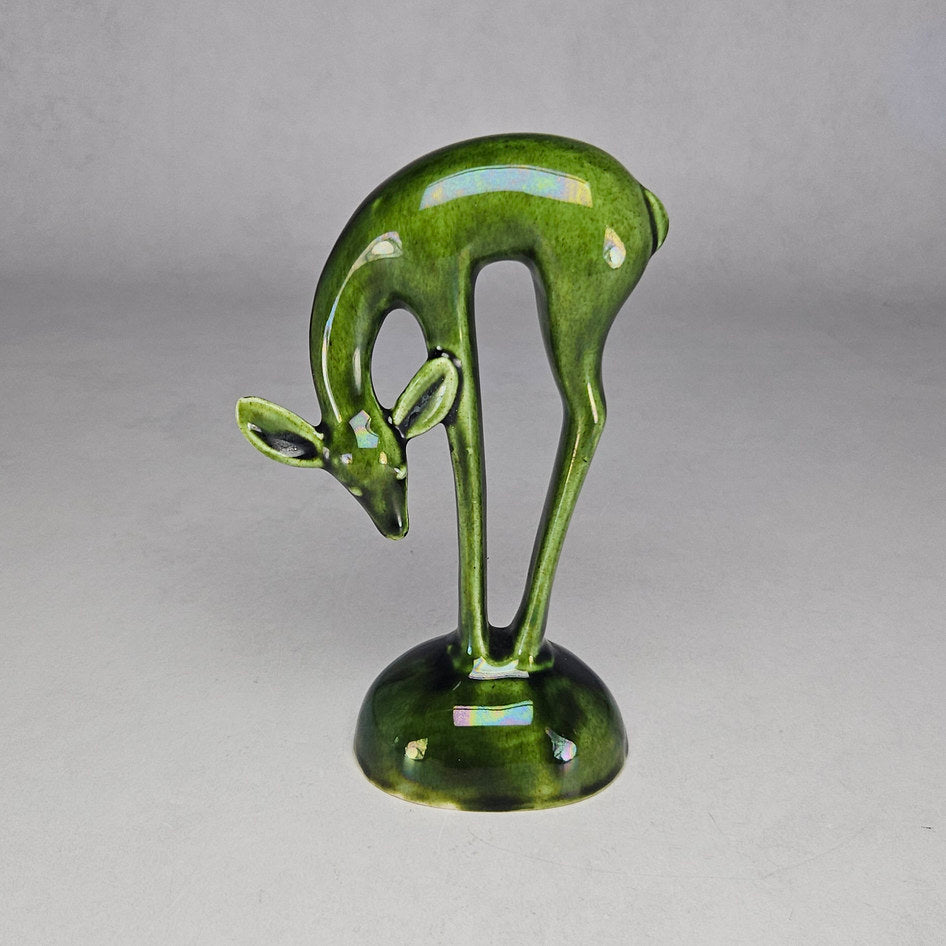
South African commercial pottery, particularly Lucia Ware, is an emerging investment category in the local market. Prices at South African auction houses have risen steadily for well-documented pieces in good condition, driven by growing local collector interest and diaspora demand. The advantage for South African collectors is that these pieces are still undervalued relative to comparable British or European wares, and the market is still developing. The Lucia Ware Green Mid-Century Ceramic Deer Figurine Model 5004 is a good example of the kind of documented, condition-sound piece that represents genuine value in this category. Read our guide to South African pottery makers for a full introduction.
What Does Not Hold Value Well
Being honest about this is as important as identifying what does hold value.
- Damaged pieces: chips, cracks, and repairs significantly reduce value and are very difficult to recover from in resale. A piece in poor condition is rarely a good investment regardless of the maker.
- Reproductions and later reissues: pieces produced as deliberate reproductions or commemorative reissues of earlier designs generally do not appreciate in the same way as original production. This is particularly relevant for Blue Willow, where the pattern has been produced by dozens of makers across two centuries.
- Undocumented pieces: pieces without a verifiable maker's mark or provenance are harder to sell and harder to price. The investment case for any collectible rests on being able to demonstrate what it is.
- Currently fashionable but historically shallow categories: some collecting categories are driven by short-term interior design trends rather than deep collector interest. These can see rapid price rises followed by equally rapid falls.
The South African Market Context
The South African antiques market operates within a specific economic context that collectors should understand. The rand's performance against major currencies affects the relative value of imported collectibles, particularly British and European pieces. When the rand weakens, the replacement cost of comparable pieces from British auction houses rises, which can support local prices for the same categories. Conversely, a stronger rand can make direct importing more competitive.
South African auction houses including Strauss and Co, Stephan Welz, and Bernardi's provide publicly available auction results that are a useful benchmark for current market pricing. Checking recent results for comparable pieces before buying or selling is a practical discipline that serious collectors develop early.
The Most Reliable Investment Principle
The most consistent advice from experienced collectors, across all categories and all markets, is this: buy the best example you can afford, in the best condition available, from a documented maker, at a fair price. Pieces that meet all four criteria have the best chance of holding value over time. Pieces that compromise on any of them are harder to sell and harder to price when the time comes.
Collecting for pleasure, with financial awareness, is a more sustainable approach than collecting primarily for return. The pieces you enjoy living with are also the ones you are most likely to research properly, store carefully, and sell at the right moment.
Frequently Asked Questions
Are antiques a good investment in South Africa?
Some categories of antiques have demonstrated consistent demand and value retention over long periods, particularly pieces from documented makers in good condition. However, antiques are not a liquid asset and should not be treated as a primary investment vehicle. The most reliable approach is to buy carefully, focus on condition and documented provenance, and collect in categories where there is an established secondary market.
Which antiques hold their value best?
Internationally, categories with active collector organisations, published reference works, and regular specialist auction appearances tend to hold value most consistently. In the South African context, Royal Doulton figurines, Wedgwood Jasperware, Carnival Glass from major American makers, and South African commercial pottery (particularly Lucia Ware) have all demonstrated consistent collector demand.
Does condition affect investment value?
Yes, significantly. Chips, cracks, repairs, and restoration all reduce the resale value of a collectible, often substantially. Condition is the single most important factor after maker and rarity when assessing the investment potential of any piece.
How do I find out what my antiques are worth in South Africa?
The most reliable benchmarks are recent auction results from South African auction houses including Strauss and Co, Stephan Welz, and Bernardi's. Published price guides and collector reference books provide additional context. For specific pieces, a specialist dealer or appraiser with knowledge of the relevant category is the most reliable source of a current valuation.
Is South African pottery a good investment?
South African commercial pottery, particularly Lucia Ware, is an emerging investment category in the local market. Prices have risen steadily at South African auction houses for well-documented pieces in good condition. The category is still developing, which means there is genuine opportunity for collectors who buy carefully now.
A rewarding area of research for collectors of Royal Doulton figurines, Wedgwood Jasperware, Carnival Glass, or South African ceramics. Browse New Arrivals for recently sourced pieces, or contact us to ask about specific makers or categories. You can also learn more about how we source and describe each piece.